Understanding Window Tint: What You Need to Know
Window tinting has gained immense popularity among vehicle owners, offering a variety of benefits that go beyond aesthetics. If you’re looking to enhance your driving experience, improve privacy, and protect your car’s interior from damage, finding the best window tint near me is crucial. This guide will walk you through everything you need to know about window tinting—from its benefits and types to legal regulations and maintenance tips.
The Benefits of Window Tint Near Me
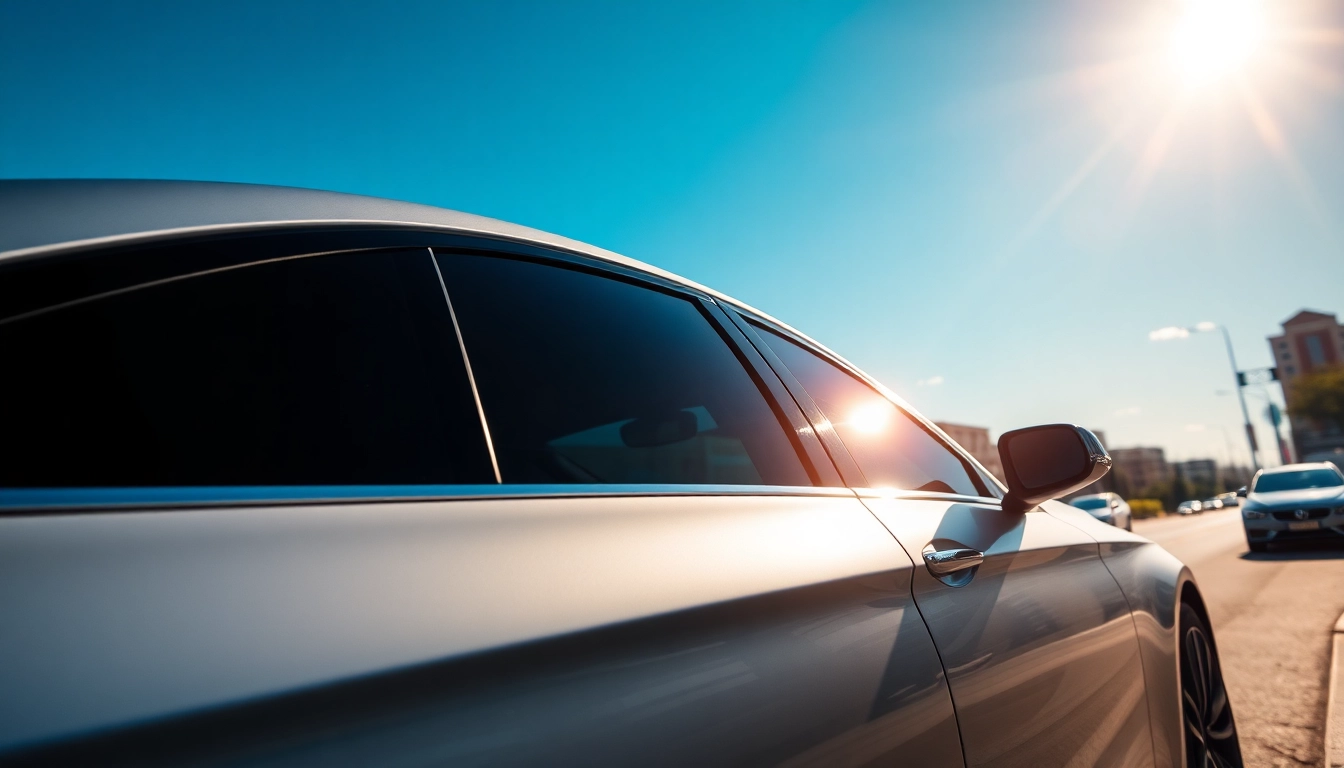
Investing in window tint comes with numerous advantages. First and foremost, window tint reduces heat inside the vehicle, creating a more comfortable driving experience. This is particularly valuable during hot summer months, as it can lower the need for air conditioning, potentially saving fuel and reducing emissions.
Additionally, window tint blocks harmful UV rays, which can adversely affect both your skin and your car’s interior. Over time, UV exposure can lead to fading upholstery and dashboard deterioration. With window tint, you can safeguard your vehicle’s interior, prolonging its lifespan and maintaining its resale value.
Moreover, privacy is a key concern for many drivers. Tinted windows provide an extra layer of security by making it difficult for others to see inside your vehicle, deterring potential theft. Not only does this enhance your security, but it also offers peace of mind while you travel.
Types of Window Tint Available
When exploring options for window tint, you’ll encounter several different types, each offering unique benefits. The two most common types are dyed and ceramic window tints. Dyed window tint provides a standard level of heat rejection and privacy but may fade over time. This option is often more affordable, making it suitable for budget-conscious consumers.
Ceramic window tint, on the other hand, is a more advanced option offering superior heat rejection without metal interference. It provides better durability and does not fade as easily as dyed tints. In addition to these, there are metallic tints that offer a reflective quality coupled with excellent UV protection, though they may interfere with GPS and cell signals.
Legal Regulations for Window Tint
Legal regulations regarding window tint vary by state and can significantly affect your choice of tint. Most states have laws regulating the level of visible light transmission (VLT) for windshield and side windows. Some states may permit darker tints on rear-side windows while others have stricter rules. It’s essential to familiarize yourself with your local laws to avoid potential fines or the need to remove illegal tint.
Always check with local authorities or conduct thorough research to ensure compliance. Consider consulting with professional tinting services who are knowledgeable about the regulations in your area to select the appropriate tint shade without flouting any laws.
Choosing the Right Window Tint for Your Car
Factors to Consider When Selecting Tint
Choosing the right window tint involves several factors. First, consider the level of privacy you desire. If you require complete concealment inside your vehicle, opting for a darker tint might be necessary. However, if you prefer a balance between visibility and privacy, lighter tints that still offer UV protection could be your best choice.
Next, think about your climate. If you live in an area with high sun exposure, investing in a high-quality ceramic film that offers superior heat rejection can make a substantial difference in comfort. Additionally, consider aesthetic elements as your window tint should complement your vehicle’s overall appearance.
Comparing Quality and Cost of Window Tint
The cost of window tint can vary based on material quality and installation labor. While it may be tempting to choose a lower-cost tint, keep in mind that high-quality materials tend to last longer and perform better. Factors to assess include the tint’s UV protection level, durability, warranty, and brand reputation.
Budget for both the tint itself and professional installation, as applying window film requires expertise to prevent bubbling or peeling. In the long run, investing in quality will save you time and money as it minimizes future replacement costs.
Installing Window Tint: DIY vs. Professional Services
When it comes to installation, vehicle owners can either choose to tackle a DIY project or opt for professional services. DIY kits are available and can be cost-effective for those with some technical skills. However, improper installation can lead to issues such as bubbling, peeling, and reduced effectiveness.
Hiring a professional tends to assure better results, as they possess the necessary skills and tools to apply the film correctly. Moreover, professional installations often come with warranties, offering additional peace of mind for consumers.
Expert Tips for Maintaining Your Window Tint
Cleaning Techniques for Tinted Windows
To ensure the longevity of your window tint, proper cleaning techniques are essential. Avoid using ammonia-based cleaners, as they can damage the film. Instead, opt for a gentle cleaning solution made from vinegar and water or a pH-balanced window cleaner. Use a microfiber cloth to wipe the surface gently, and avoid scrubbing to prevent scratching.
Common Issues and How to Fix Them
Window tint may face a few common issues, like bubbling, peeling, or discoloration. If you notice bubbles, it could be due to moisture trapped underneath the film during installation. Allow those bubbles to dry out over a few hot days; if they persist, consult with a professional to have them resolved. If the edges of your tint lift, reiterate that it’s best repaired by a professional.
How Long Does Window Tint Last?
The lifespan of window tint can vary significantly based on the type of film used and the installation process. Generally, high-quality ceramic tints can last up to 15 years without significant degradation, while dyed films may require replacement more frequently, typically within 5 to 10 years. Regular maintenance and careful use will also prolong its life.
Finding Local Window Tint Services
How to Research Window Tint Near Me
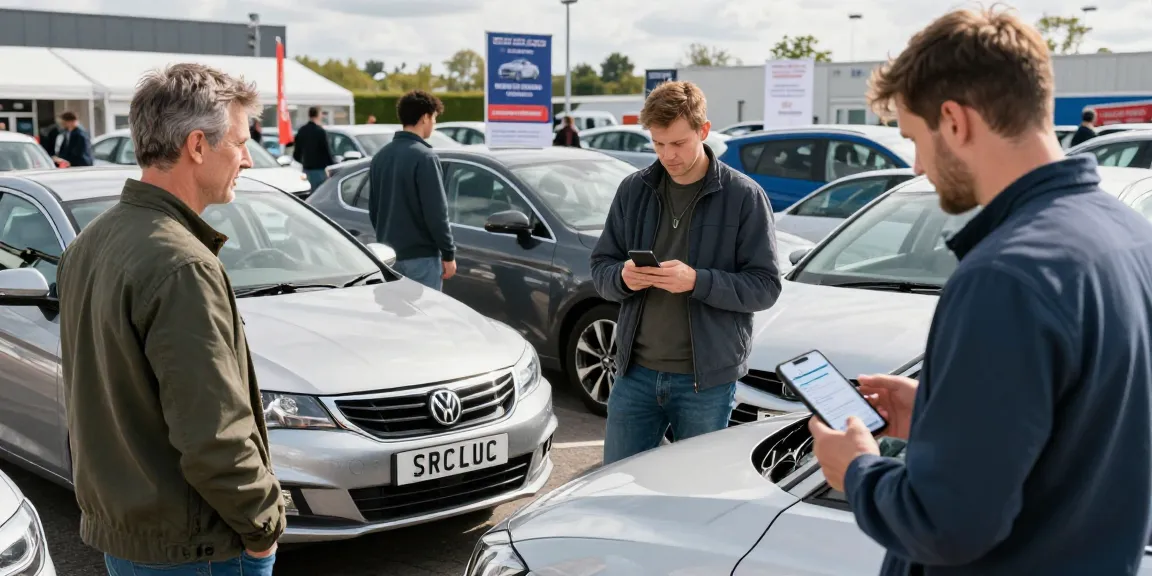
Finding reliable window tint services nearby requires a bit of research. Start by checking online directories for tinting services and reading their client reviews. You can also ask for recommendations from friends or family who have had window tint services. Once you find several options, compare their offerings, prices, and reviews to narrow your choices.
Top Qualities to Look for in a Tinting Service
When selecting a tinting service, look for expertise, quality materials, and excellent customer service. A reliable service should offer a warranty on their work and the films used, ensuring that you receive value for your investment. Additionally, they should be knowledgeable about local regulations and help you select the best tint for your vehicle and needs.
Checking Reviews and Getting Recommendations
Online reviews can provide insights into the quality and reliability of local tinting services. Pay attention to customer feedback on installation quality, customer service, and overall satisfaction. Websites designed for reviews, such as Google or Yelp, can give you a broad perspective. Besides, personal recommendations can lead to trusted tinting professionals who have demonstrated their expertise.
Frequently Asked Questions About Window Tint Near Me
What is Window Tint?
Window tint is a thin film applied to vehicle windows that reduces glare, heat, and UV rays while enhancing privacy.
How Does Window Tinting Work?
Window tinting works by applying a layer of film that reflects and absorbs heat and glare, keeping the interior cooler and reducing UV exposure.
Is Window Tinting Expensive?
The cost of window tinting can vary widely based on film type and installation, generally ranging from $100 to over $500.
Can Window Tint Be Removed?
Yes, window tint can be removed. It’s advisable to hire a professional to avoid damaging the glass during the removal process.
How Can I Find Local Tinting Services?
Research online, check local directories, ask for recommendations, and read customer reviews to find the best local tinting options.