
Key Features of Shower Doors Sliding
Shower doors sliding have surged in popularity due to their modern aesthetics and functionality. They are an excellent choice for optimizing bathroom spaces without sacrificing style. Understanding their unique features can help you make a better decision when planning your bathroom renovation. This section explores the design variations, materials used, and various benefits of installing shower doors sliding.
Design Variations and Customization
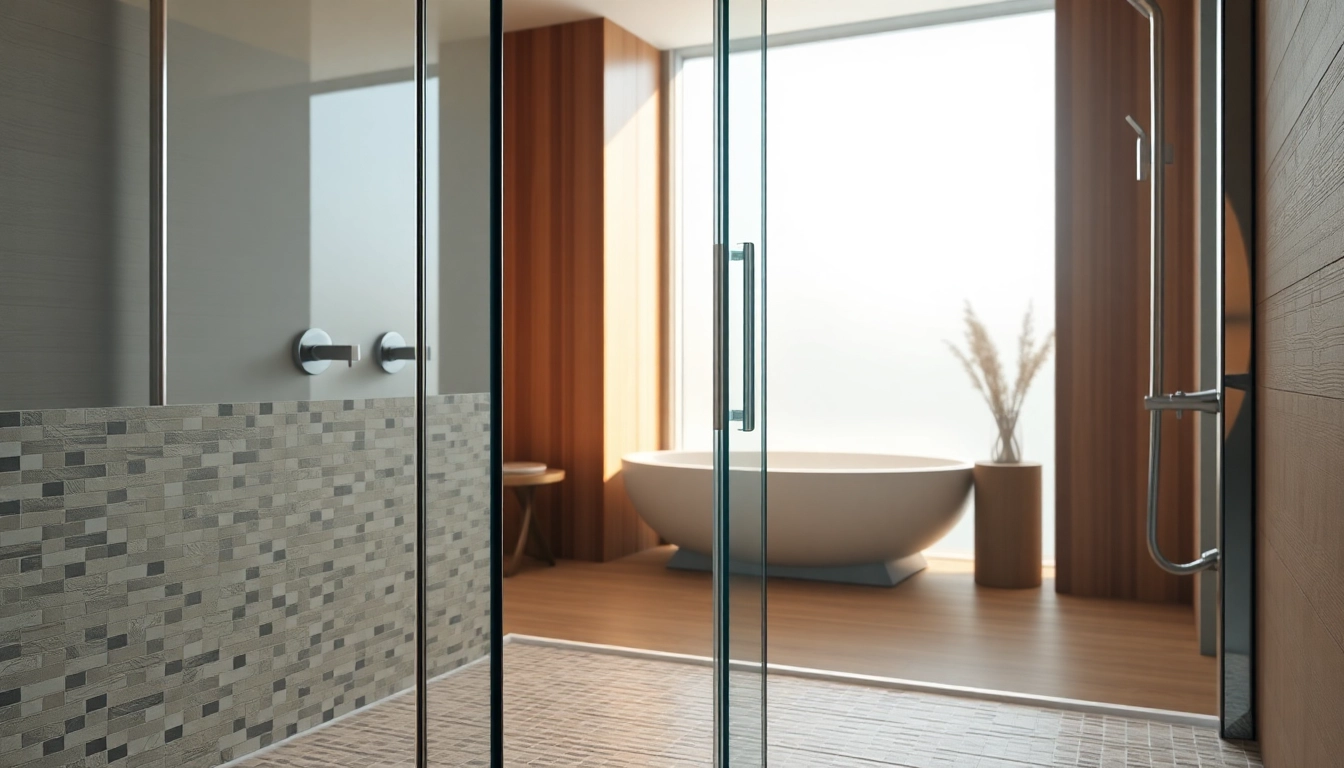
Shower doors sliding come in numerous designs to fit various bathroom styles, from sleek modern aesthetics to more traditional looks. Homeowners can choose from framed, semi-framed, or frameless styles depending on their preferences. Framed shower doors sliding feature metal frames that add structural integrity, while frameless designs give a clean and open feel.
Customization options are also abundant. You can select the glass thickness, finish (clear, frosted, etched), and additional features like towel bars or handles to match your decor. When looking for shower doors sliding, consider your existing bathroom theme to choose a design that complements rather than clashes.
Materials Used in Shower Doors Sliding
The materials used in shower doors sliding impact both functionality and durability. The most common material for the glass is tempered safety glass, valued for its resilience against impact and thermal stress. It typically comes in 3/8 inch or 1/4 inch thickness, with thicker glass providing a more luxurious feel.
Frames, if present, can be made of aluminum, stainless steel, or plastic. Aluminum is lightweight and resistant to corrosion, while stainless steel offers sturdiness and a premium appearance. It’s crucial to choose materials that not only look good but also hold up well to moisture and heat over time. For further insights on the variety of options, you can consider exploring this shower doors sliding selection.
Benefits of Installing Shower Doors Sliding
Opting for shower doors sliding can bring multiple advantages to your bathroom. One primary benefit is the space-saving feature; because these doors slide open and closed, they require less clearance than traditional swinging doors. This makes them ideal for smaller bathrooms where every square inch counts.
Moreover, shower doors sliding can enhance the overall aesthetics, giving the space a sleek and modern appearance. These doors are exceptionally easy to clean, especially when compared to curtains, as fewer crevices and folds trap soap scum and grime. Additionally, they can add value to your home by boosting its appeal to prospective buyers.
Installation Process of Shower Doors Sliding
Installing shower doors sliding may seem daunting, but with the right tools and a systematic approach, it can be a manageable DIY project. This section will guide you through the essential tools, provide a step-by-step installation guide, and highlight common mistakes to avoid.
Essential Tools Needed
Before beginning the installation, ensure you have the necessary tools at hand. Essential tools include:
- Measuring tape
- Level
- Drill and drill bits
- Screwdriver
- Silicone caulk and caulk gun
- Stud finder
- Safety goggles and gloves
Having these tools ready will streamline your installation process and ensure you work safely and effectively.
Step-by-Step Installation Guide
Here is a straightforward guide to help you install your shower doors sliding:
- Preparation: Gather all materials and ensure you have sufficient space for the installation. Measure the door opening to confirm size compatibility.
- Mark the Header Track Position: Use your measuring tape to mark where the header track will go on the wall, ensuring it’s level.
- Install the Header Track: Drill pilot holes and install the track using screws. Make sure it’s secure and level.
- Attach Sill Track: Following the same process, attach the bottom sill track to the shower base. Verify that it aligns with the header track.
- Hang the Doors: Attach the rollers to the shower doors and hang them on the header track. Adjust as necessary to ensure smooth operation.
- Seal Edges: Once the doors are in place, apply silicone caulk to seal any gaps and prevent water leakage.
- Final Inspection: Check the movement of the doors and ensure everything is level. Make any necessary adjustments.
Following this guide ensures a proper fit and functionality for the shower doors sliding.
Common Mistakes to Avoid
Even an experienced DIYer can encounter challenges during installation. Here are common mistakes to avoid:
- Skipping Measurements: Always measure twice before cutting or drilling to prevent errors.
- Neglecting Leveling: A door that isn’t level will not function correctly, leading to potential leaks or operational issues.
- Insufficient Sealing: Failing to caulk edges properly can result in water damage over time.
- Using Wrong Tools: Using inappropriate tools can complicate the process and result in poor fitting.
A little extra caution can save you time, effort, and additional costs.
Maintenance Tips for Shower Doors Sliding
Once shower doors sliding are installed, proper maintenance is vital to ensure longevity and keep them looking their best. This section covers essential cleaning techniques, long-term care, and troubleshooting common issues.
Cleaning Techniques for Glass
Cleaning glass shower doors sliding requires specific techniques to avoid scratches and achieve a streak-free finish. Here are some effective methods:
- Use Vinegar: A mixture of equal parts water and white vinegar can effectively remove soap scum and hard water stains.
- Soft Cloth or Sponge: Always use non-abrasive materials to clean the glass. A microfiber cloth or a soft sponge is ideal.
- Commercial Cleaners: If vinegar doesn’t do the job, consider using a pH-balanced glass cleaner that won’t strip the glass.
Regular cleaning not only keeps the glass clear but also prolongs its lifespan by preventing buildup.
Long-term Care and Maintenance Routines
To ensure your shower doors sliding remain in optimal condition, establish a routine maintenance schedule. Here are some tips:
- Monthly Cleaning: Deep clean every month, focusing on corners and track areas where grime can accumulate.
- Inspect Hardware: Regularly check the rollers, tracks, and seals for wear and tear, replacing them as necessary.
- Silicone Refresh: Every year, check and refresh the silicone sealant to prevent leaks.
Implementing these practices will keep your shower doors sliding functional and aesthetically pleasing.
Troubleshooting Common Issues
Even with regular care, you may encounter issues with shower doors sliding. Here’s how to troubleshoot:
- Doors Sticking: This could be due to dirt accumulation. Clean the track thoroughly and ensure the rollers are functioning smoothly.
- Water Leaks: Inspect the seals and reapply silicone caulk where necessary to prevent leaks.
- Noisy Operation: Apply a silicone-based lubricant to the rollers to reduce noise during operation.
Addressing these problems quickly can prevent more significant repairs in the future.
Comparative Analysis of Shower Doors Sliding
To help you make an informed choice, this section compares shower doors sliding with other options, focusing on traditional curtains, cost-effectiveness, and space efficiency.
Shower Doors Sliding vs. Traditional Curtains
Shower doors sliding offer numerous advantages over traditional shower curtains. Firstly, they provide a more upscale and permanent solution that enhances visual appeal. Curtains can become moldy and need frequent washing or replacement, while glass doors are more durable and easier to clean.
In terms of functionality, sliding doors require less space since they do not swing open. They also minimize splashing outside of the shower area, helping to keep your bathroom floor dry. For those seeking to elevate their bathroom design, shower doors sliding are a superior choice.
Evaluating Cost Effectiveness
When assessing cost-effectiveness, consider both initial installation costs and long-term maintenance. Although shower doors sliding might have a higher upfront expense, they typically require less maintenance and replacement over time compared to curtains. For example, premium glass doors can last decades with proper care, whereas curtain fabrics may need replacing every few years.
Ultimately, investing in quality shower doors sliding contributes to the overall value of your home while saving you money on replacements and maintenance.
Assessing Space Efficiency
Space is a critical factor in bathroom design, especially in smaller settings. Shower doors sliding are the ideal solution for tight spaces because they slide open and closed without requiring additional clearance. This design ensures your bathroom remains functional without sacrificing style.
Additionally, sliding doors can create an illusion of a larger space compared to bulky curtains, contributing to an airy feel in the bathroom.
FAQs about Shower Doors Sliding
What are the advantages of shower doors sliding?
Shower doors sliding save space, enhance aesthetics, are easier to clean, and add value to your home compared to traditional shower curtains.
How do I clean my shower doors sliding?
Use a mixture of water and white vinegar or a pH-balanced glass cleaner with a soft cloth to avoid scratches and achieve a streak-free shine.
Can I replace my existing shower curtain with shower doors sliding?
Yes, it is feasible to replace a shower curtain with shower doors sliding. Assess your space for proper fit and installation requirements.
What materials are best for shower doors sliding?
Tempered safety glass is commonly used due to its strength. Aluminum or stainless steel frames are popular choices for added durability.
How much space do shower doors sliding require?
Shower doors sliding require minimal space since they do not swing open. Ensure there is enough wall space on the side where they will slide.