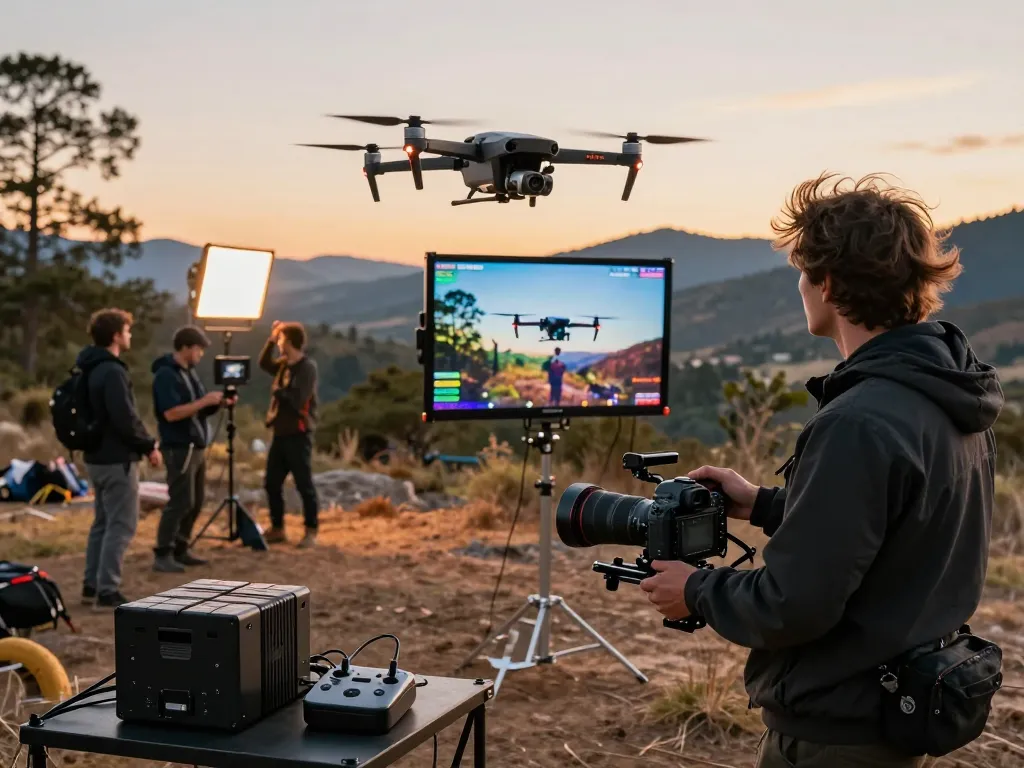

The Importance of AI and Emerging Technology Conferences
In an era where technology evolves at an unprecedented pace, staying ahead of trends and innovations is crucial for professionals across industries. AI and emerging technology conference provides an invaluable platform for learning, networking, and sharing insights. These conferences serve as hubs for knowledge exchange, showcasing the latest advancements in artificial intelligence, machine learning, and other technological frontiers.
Understanding the Conference Landscape
The landscape of AI and emerging technology conferences is diverse, ranging from large-scale events that attract thousands of participants, to niche gatherings focusing on specific technologies or sectors. Such conferences typically feature a mix of keynote speeches, workshops, panel discussions, and networking sessions. This diversity allows attendees to tailor their experiences to their interests and professional needs, making each conference visit unique.
Benefits of Attending
There are myriad benefits associated with attending AI and emerging technology conferences. Firstly, they provide a unique opportunity to learn about the latest research, trends, and technological advancements directly from industry leaders and experts. Secondly, conferences often include hands-on workshops that allow participants to engage with emerging technologies in practical settings. Additionally, attendees gain insights into best practices that can be implemented in their own organizations.
Networking Opportunities
Networking is one of the most significant advantages of attending conferences. These events gather professionals, innovators, and thought leaders from around the world in one location. Participants have the chance to engage in meaningful conversations, exchange ideas, and foster collaborations that can lead to business opportunities or career advancement. Building relationships with peers can also facilitate knowledge sharing long after the conference has concluded.
Key Trends Highlighted at the Conference
Artificial Intelligence in Various Industries
AI is revolutionizing multiple sectors including healthcare, finance, and retail. At conferences, discussions often revolve around how AI applications can streamline operations, enhance customer experiences, and drive innovation. For instance, in healthcare, AI-powered diagnostic tools are improving patient outcomes by enabling quicker and more accurate diagnoses. Similarly, the retail sector leverages AI for personalized shopping experiences, optimizing inventory, and predicting market trends.
Future Trends in Technology
Conferences offer a glimpse into the future of technology. Emerging trends such as quantum computing, edge computing, and AI-driven automation are frequently explored. Experts discuss their potential impact on various industries, providing attendees with foresight into how these technologies might change business landscapes. Such insights empower companies to adapt proactively, staying competitive in a rapidly evolving environment.
Sustainability and Technology
As organizations increasingly prioritize sustainable practices, many conferences now focus on the interplay between technology and sustainability. Sessions may explore how AI and emerging technologies can help address global challenges like climate change, resource scarcity, and waste management. For example, AI algorithms can optimize energy consumption in buildings, reduce waste in supply chains, and enhance renewable energy management, presenting innovative solutions for sustainable growth.
Workshops and Sessions: What to Expect
Hands-on Learning Experiences
Workshops at AI and emerging technology conferences are designed to offer hands-on experiences and practical knowledge. Participants often engage in activities that allow them to work directly with cutting-edge technologies or methodologies. This experiential learning enhances their understanding, making it easier to apply new skills in real-world settings. Each workshop provides a designated expert who guides participants through relevant challenges and solutions.
Expert Speakers and Panel Discussions
One of the highlights of conferences is the lineup of expert speakers, including thought leaders, top executives, and experienced researchers. These speakers share valuable insights based on their extensive experience in the field. Panel discussions often follow, where speakers debate current issues, discuss future predictions, and respond to audience questions. Such interactions stimulate dynamic conversations and provide attendees with different perspectives on complex topics.
Topics of Discussion
The topics covered at AI and emerging technology conferences are vast and varied. Common subjects include machine learning, data analytics, cybersecurity, ethical considerations, and AI governance. Each topic typically features case studies, live demonstrations, and interactive Q&A sessions. This format allows participants to dive deeper into subjects of interest, facilitating a more enriching and engaging learning environment.
How to Make the Most of Your Conference Experience
Preparation Tips
Preparation is key to maximizing the benefits of any conference. Start by reviewing the agenda and selecting sessions that align with your professional goals and interests. Research speakers and their work to formulate insightful questions. Arriving with a clear plan can also help you prioritize networking opportunities, making each interaction purposeful and meaningful.
Effective Networking Strategies
Effective networking during conferences involves proactive engagement. Begin by introducing yourself to fellow attendees at breakout sessions or during meals. Use social media to connect with speakers and participants before and after the event. Carry business cards and be sure to follow up with new connections, fostering relationships that can extend beyond the conference itself.
Follow-up and Action Items
After the conference concludes, a robust follow-up strategy is essential. Review your notes and identify action items that can be implemented in your work. Send personalized follow-up emails to new contacts linking back to discussions you had at the event. This practice reinforces connections and opens doors for collaboration, ensuring the benefits of your conference experience last well beyond the event’s conclusion.
FAQs About Attending AI and Emerging Technology Conferences
What should I bring to the conference?
Bring essential items such as business cards, a notebook or device for note-taking, and comfortable clothing. Consider a portable charger for your devices and any promotional materials relevant to your work or projects.
Are there any virtual attendance options?
Many conferences now offer virtual attendance options, allowing participants to join live sessions and engage in discussions remotely. Check the conference website for specific details on virtual participation.
How do I choose the right sessions to attend?
Evaluate the session agenda based on your professional interests and career goals. Prioritize sessions led by industry leaders or those that cover topics you want to explore deeper. It’s also beneficial to attend diverse sessions for a well-rounded experience.
What type of professionals attend these conferences?
Attendees typically include tech enthusiasts, industry professionals, researchers, entrepreneurs, and policymakers. The diverse affiliations foster a rich networking environment, allowing for knowledge exchange across various sectors.
How can I network effectively during the event?
To network effectively, engage in conversations, ask questions, and show genuine interest in others’ experiences. Attend social events and use social media to connect with speakers and other attendees before and after the conference.