Understanding Drone Professionale: What Makes Them Stand Out?
In recent years, the demand for drones has skyrocketed across various industries, primarily due to their versatility and advanced technology. When referring to drone professionale, we are discussing sophisticated aerial devices designed for commercial use, equipped with features that cater to specific professional needs. These drones serve a variety of applications, from aerial photography to agricultural monitoring, transforming how businesses operate by enhancing efficiency and productivity.
Defining Professional Drones and Their Applications
A professional drone, or “drone professionale,” is typically characterized by its high-end features, durability, and adaptability. Unlike consumer-grade drones, which may be suitable for hobbyists, professional drones are engineered for rigorous tasks. They are commonly used in industries such as:
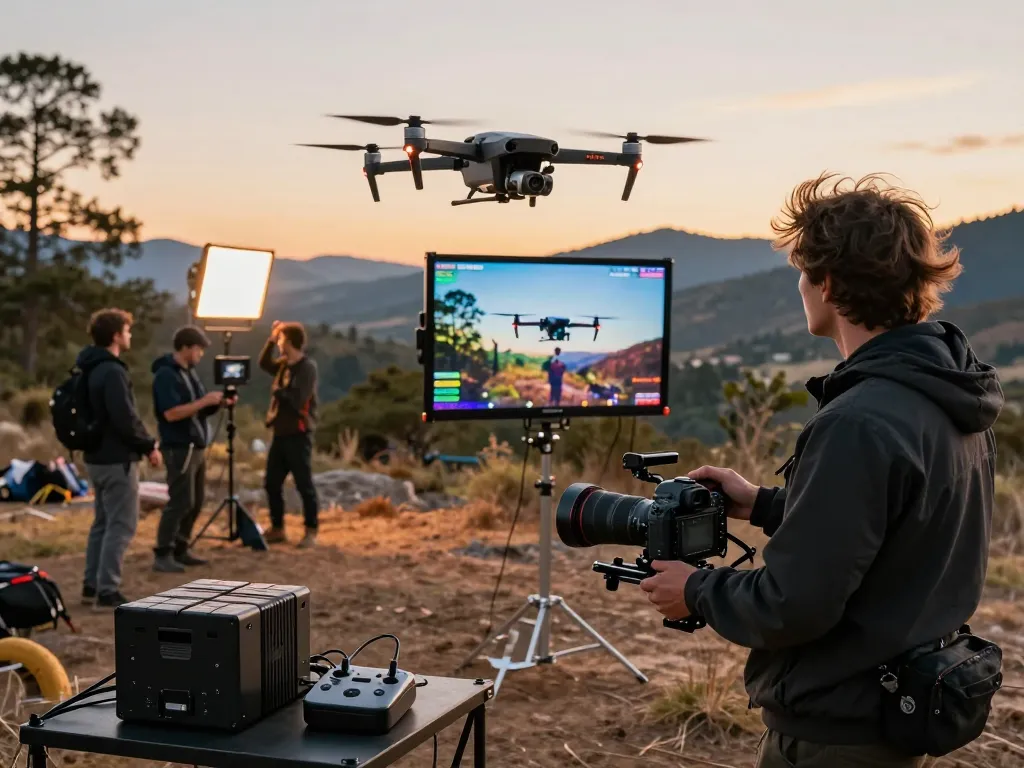
- Photography and Videography: Capturing stunning aerial images and videos that are invaluable for filmmakers and photographers.
- Agriculture: Employing drones for crop monitoring, precision agriculture, and aerial spraying.
- Infrastructure Inspection: Assessing structures like bridges and power lines from the sky for maintenance and safety inspections.
- Mapping and Surveying: Producing detailed topographical maps and 3D models for construction and development projects.
Key Features to Look for in a Drone Professionale
When selecting a professional drone, potential buyers should ensure the device possesses certain essential features:
- High-Resolution Cameras: A minimum of 4K video capability is advisable for capturing clear and detailed footage.
- Flight Time: Look for drones that offer extended flight times, ideally over 30 minutes, to maximize productivity.
- Payload Capacity: For specialized tasks, such as carrying additional equipment, a higher payload is beneficial.
- GPS and Stabilization Technology: Accurate GPS ensures reliable navigation, while stabilization technology aids in capturing steady imagery.
Common Misconceptions About Professional Drones
Despite their growing popularity, several misconceptions about professional drones persist. One major misconception is that all drones are difficult to operate. In reality, many professional drones come equipped with user-friendly interfaces and automated flight capabilities, making them accessible even to novice users. Additionally, there is a belief that drones are only beneficial for specific sectors, while in truth, their applications are diverse, spanning from real estate to emergency services.
Top Brands and Models of Drone Professionale in 2026
The market for professional drones is increasingly competitive, with several brands leading the charge. Companies like DJI, Autel Robotics, and Skydio are recognized for their advancements in drone technology and innovative solutions tailored for professional users.
Leading Brands and Their Innovations
Each of these brands has distinguished itself through unique innovations:
- DJI: Renowned for high-quality cameras and stable flight performance, popular models include the DJI Matrice and Phantom series.
- Autel Robotics: Offers compact and user-friendly drones, such as the Autel EVO Lite, ideal for both professionals and enthusiasts.
- Skydio: Known for its advanced obstacle avoidance and autonomous flying capabilities, making it invaluable for action shots and complex environments.
Comparative Analysis of Popular Drone Models
Understanding the features and specifications of various models can help users make informed decisions. For example:
- DJI Mavic 3: Features an advanced dual-camera system, up to 46 minutes of flight time, and exceptional tracking capabilities.
- Autel EVO Lite+: Offers a 50MP camera, 6K video capability, and impressive low-light performance, making it ideal for professional photography.
- Skydio 2: Standout feature is its autonomous flying technology, allowing it to navigate complex environments effortlessly.
Customer Reviews and User Experiences
User reviews often highlight the practicality and advanced features of professional drones. Many users in industries like filmmaking praise the quality of footage captured, while agricultural users note significant improvements in monitoring efficiency. However, common feedback indicates that learning to operate these drones effectively can take time, emphasizing the importance of training and practice.
Maximizing Your Drone’s Potential: Best Practices
To ensure optimal performance from your drone professionale, adhere to best practices in operation and maintenance.
Essential Pre-Flight Checks for Safe Operation
Before taking to the skies, conduct thorough pre-flight checks, which should include:
- Battery level and health checks.
- Firmware updates to ensure the drone is running the latest software.
- Environmental assessments to verify the weather conditions are suitable for flying.
- Calibration of sensors and compass for accurate navigation.
Post-Flight Maintenance and Care
After each flight, perform routine maintenance checks:
- Inspect and clean the camera lens and propellers.
- Check for any visible damage to the drone’s body.
- Update logs and performance analytics to track usage and performance over time.
Improving Aerial Footage with Advanced Techniques
To enhance the quality of your aerial footage, consider employing advanced techniques such as:
- Utilizing various shooting modes like time-lapse and hyper-lapse.
- Incorporating ground control points for precise mapping accuracy.
- Experimenting with different flight paths for dynamic cinematography.
Legal Considerations for Operating a Drone Professionale
Operating a drone professionale comes with legal responsibilities that vary by region and purpose of use.
Understanding Airspace Regulations and Restrictions
Familiarize yourself with local airspace regulations to avoid operating in restricted zones. The Federal Aviation Administration (FAA) in the U.S. has established specific rules for commercial drone operation, including altitude limits and no-fly zones.
Getting the Necessary Certifications and Licenses
Many jurisdictions require drone operators to obtain licenses or certifications. For instance, in the U.S., commercial pilots must pass the FAA’s Part 107 test to obtain a Remote Pilot Certificate.
Insurance and Liability for Drone Operators
Investing in liability insurance is wise to protect against potential damages or accidents. Various insurance policies cater specifically to drone operators, covering equipment loss as well as third-party liabilities.
Future Trends in Drone Technology for Professional Use
The drone industry is rapidly evolving, propelled by technological advancements and changing consumer demands.
Emerging Technologies in Drone Design and Functionality
One of the most exciting trends includes the integration of artificial intelligence (AI) in drone operations. AI can enhance navigation, improve obstacle avoidance, and allow for autonomous flight patterns, significantly reducing the workload on operators.
The Impact of AI on Drone Operation
With AI, drones can analyze real-time data and adjust their flight paths on the fly, making them safer and more efficient for tasks such as surveillance and emergency response.
Predictions for Drone Applications in Various Industries by 2026
As drone technology progresses, we anticipate wider applications in various sectors, including:
- Healthcare: Drones are expected to play a crucial role in delivering medical supplies to remote areas.
- Logistics: Companies may use drones for last-mile delivery, reducing costs and improving efficiency.
- Environmental Monitoring: Drones will be pivotal in tracking wildlife, assessing environmental changes, and managing natural resources.
What are the common uses for drone professionale?
Common uses for drone professionale include aerial photography, surveying and mapping, agricultural monitoring, infrastructure inspection, and search and rescue operations. Each application requires specific features and capabilities that suit the respective tasks.
How can I choose the right drone professionale for my needs?
Choosing the right drone depends on the intended use. Consider factors such as camera quality, flight time, payload capacity, and the specific tasks you need the drone to perform. Researching and comparing models can help ensure your selection meets both your current and future needs.
What are the legal requirements for flying a drone professionale?
Legal requirements vary by location, but generally, commercial drone operators must comply with local regulations, which may include obtaining licenses, adhering to flight regulations, and ensuring proper insurance coverage. Always check government regulations in your country or state before operating a drone.
How do I maintain and care for my drone professionale?
Regular maintenance includes pre- and post-flight inspections, keeping the firmware updated, and ensuring batteries are charged and healthy. Additionally, proper storage and handling can prolong the life of the drone and its components.
What are the key features I should look for in a drone professionale?
Key features include camera quality, flight time, stability and control systems, payload capacity, and GPS capabilities. These features will largely determine the drone’s effectiveness for your specific applications.