
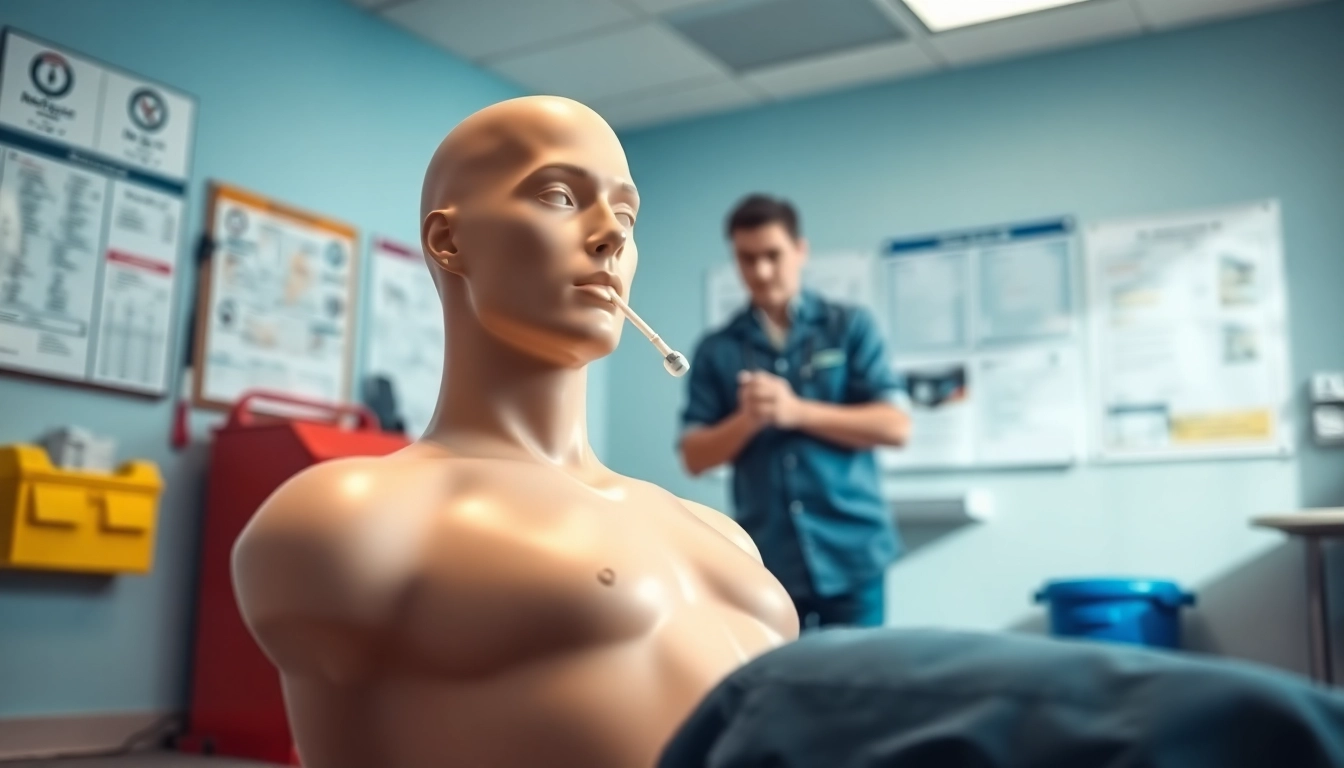
Understanding the Importance of a Choking Device
What is a Choking Device?
A choking device is a lifesaving tool designed to assist individuals in emergencies when someone is choking. This device can be vital in clearing an airway obstruction caused by food or other objects. Choking devices come in various forms, primarily designed for ease of use and effectiveness in various situations, ranging from home settings to professional environments such as schools and restaurants.
Why You Need a Choking Device
The presence of a choking device can be the difference between life and death during a choking incident. According to health statistics, choking is a leading cause of accidental deaths, particularly in children and the elderly. Having a choking device readily available ensures that you are prepared to respond quickly and effectively in such emergencies. Moreover, it reduces anxiety in caregiving scenarios where the risk of choking is prominent.
Common Situations Requiring a Choking Device
Choking can occur in various situations. Common scenarios include:
- Dining at home or in restaurants, especially with small children.
- During recreational activities, such as sports or playing.
- In healthcare settings where patients may have swallowing difficulties.
- In care homes where elderly residents may experience complications.
Being prepared with a choking device during these situations can help save lives and promote a safer environment.
How to Use a Choking Device Safely
Step-by-Step Guide to Using a Choking Device
- Assess the situation: Determine if the person is truly choking by looking for signs such as the inability to speak, cough, or breathe.
- Gather the choking device: Ensure it is easily accessible and ready for use.
- Position the individual: Help them to a comfortable position, usually standing or sitting.
- Administer the device: Follow the manufacturer’s instructions carefully for application.
- Check effectiveness: After using the device, check if the airway has been cleared. If not, continue following appropriate emergency protocols.
Safety Precautions to Consider
Using a choking device requires taking certain precautions to ensure effectiveness and safety:
- Always read the instructions thoroughly before use.
- Maintain composure, as panic can hinder the response.
- Ensure bystanders are aware of the situation and might assist if necessary.
Common Mistakes to Avoid
Several mistakes can occur when using a choking device, which could endanger the individual:
- Not following the provided instructions, which can lead to ineffective use.
- Using excessive force that may cause injury.
- Failing to call for emergency services when necessary, especially in severe cases.
Choosing the Right Choking Device for Your Needs
Types of Choking Devices Available
Choking devices vary greatly in design and functionality. The most common types include:
- Manual suction devices, which provide immediate assistance in clearing obstructions.
- Pressure devices that can be applied to deliver a quick thrust to force an object out.
- Wall-mounted devices suitable for public spaces, ensuring easy access in emergencies.
- Child-specific devices designed to accommodate smaller airway sizes.
Factors to Consider When Selecting a Choking Device
When choosing a choking device, consider the following:
- The age and size of potential users – different sizes are available for adults versus children.
- Ease of use in an emergency – select devices that are intuitive and quick to employ.
- Portability and storage – ensure it fits easily within the intended environment.
- Durability – select a device that can withstand regular use and potentially harsh environments.
Comparing Device Efficiency
Efficiency can vary among choking devices based on their design and intended use. It’s essential to consider reviews and effectiveness ratings from previous users when evaluating a device. Testing devices in a controlled environment can also provide insights into their practicality and ease of use. Based on situational feedback, one can make informed decisions regarding which choking device will best serve their needs.
Training and Certification in Choking Device Use
Importance of Professional Training
Understanding the proper use of a choking device is paramount. Professional training ensures that caregivers, teachers, and others are equipped with the knowledge to execute safe and effective assistance. Such training minimizes the risk of further harm and promotes a higher survival rate during choking incidents.
Where to Find Training Resources
Numerous resources are available for those seeking to learn about choking device usage. Local hospitals, community health organizations, and training centers frequently offer workshops and certifications focusing on CPR and choking rescue techniques. Online platforms also provide valuable courses that cover theoretical knowledge and practical application.
Certifications for Choking Device Use
Certifications in the use of choking devices often accompany comprehensive first aid or CPR training. Attaining such certifications not only enhances personal knowledge but also builds confidence in emergency situations. It is advisable to seek certifications recognized by health and safety organizations for credibility.
FAQs on Choking Devices
What is the best choking device on the market?
The best choking device varies based on user needs. Look for well-reviewed devices that meet safety standards and user requirements.
How often should I practice using a choking device?
It’s recommended to practice at least once a year or whenever new staff members are trained. Regular drills help maintain readiness.
Can choking devices be used on children?
Yes, there are choking devices specifically designed for children, taking into account their smaller size and airway needs.
What should I do if a choking device fails?
If a choking device fails, immediately call for emergency services and perform back blows or abdominal thrusts if trained to do so.
Are choking devices reusable after use?
Some choking devices are designed to be reusable, while others may need replacement after single use. Always follow the manufacturer’s instructions.