
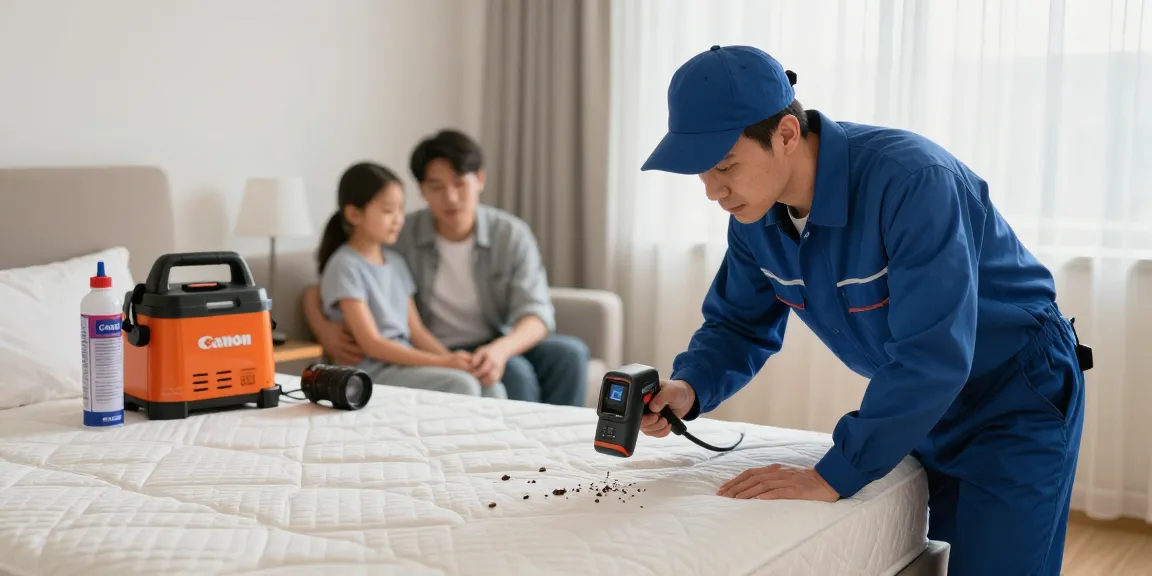
Understanding Bed Bugs: The Basics
Bed bugs are persistent and elusive pests that can cause disruptions to both your comfort and wellbeing. Knowing the fundamental aspects of these insects is crucial for effective management. Early detection and appropriate intervention are vital to mitigating their rapidly spreading populations. With their ability to hide in unseen corners and reproduce quickly, bed bugs have become a common concern for many households and businesses alike.
When exploring options, bed bug pest control services are essential for handling infestations promptly. Bed bugs can enter your home through various routes, making it crucial to be aware of how they operate and propagate.
What Are Bed Bugs and How Do They Infest?
Bed bugs, scientifically known as Cimex lectularius, are small, brownish insects that feed on the blood of humans and animals. Adult bed bugs are about the size of an apple seed, making them difficult to spot. They are nocturnal creatures that prefer to lie in wait until their host is asleep, which is when they emerge to feed.
Infestations often begin through their exceptional hitchhiking abilities. They can be picked up in hotels, public transport, or even second-hand furniture. Once in your home, they typically hide in the seams of mattresses, bed frames, and other dark crevices, allowing them to thrive undetected.
Common Signs of Bed Bug Infestation
- Red, itchy welts on your skin, often appearing in lines or clusters.
- Dark spots on bedding or furniture, which are fecal stains.
- Egg casings or shed skins in areas where bed bugs hide.
- Musty odor from their scent glands when infestations are heavy.
Why Timely Bed Bug Pest Control is Essential
Ignoring a bed bug infestation can lead to severe consequences. Their rapid reproduction means that a small problem can escalate quickly. A single female bed bug can lay hundreds of eggs in her lifetime, making early intervention critical. Moreover, bed bug bites can lead to secondary infections and significant emotional distress, underscoring the need for prompt pest control solutions.
Effective Bed Bug Treatment Options
Choosing the right method for bed bug removal can be challenging due to the various options available. Each treatment has its own advantages and disadvantages, so understanding them can help you decide on the best course of action for your specific situation.
Heat Treatment: Pros and Cons
Heat treatment is considered one of the most effective methods for eradicating bed bugs. This method involves raising the temperature of infested areas to levels lethal to bed bugs and their eggs.
- Pros: It treats all life stages of bed bugs, including eggs. It is chemical-free, making it a great choice for environmentally conscious individuals.
- Cons: It can require extensive preparation and is best performed by professionals to ensure thoroughness.
Chemical Treatment: What You Should Know
Chemical treatments involve the application of pesticides designed to kill bed bugs and provide a residual barrier against future infestations. While these products are effective, they should be used with caution.
- Pros: Chemical treatments can provide lasting protection for up to 120 days.
- Cons: There may be health risks associated with chemical exposure, and they may not eliminate all bed bugs in one treatment.
Combination Approaches for Bed Bug Extermination
Some experts recommend a combination of heat and chemical treatments for comprehensive bed bug control. This multi-faceted approach can enhance effectiveness by targeting different life stages through varying methods.
Preventing Future Infestations
Once an infestation is dealt with, prevention becomes paramount. Understanding how to keep bed bugs at bay can save you from future headaches and expenses.
Best Practices for Homeowners
- Regularly inspect your bedding and furniture for signs of bed bugs.
- Seal any cracks and crevices in walls and floors to eliminate hiding spots.
- Avoid bringing used furniture home without inspecting it first.
Travel Tips to Avoid Bringing Bed Bugs Home
When traveling, always check hotel beds for signs of bed bugs. It’s advisable to store luggage away from beds and to use hard luggage instead of soft-sided bags that can harbor pests.
Regular Inspection and Monitoring Strategies
Consider hiring a professional pest control service for routine inspections, especially if you live in an area prone to infestations. Early detection is key to preventing a full-blown outbreak.
Cost Considerations and Available Offers
Understanding the costs associated with bed bug pest control can help you budget effectively and ensure you get the best value for your money.
Understanding Cost of Bed Bug Pest Control Services
The cost of bed bug extermination can vary based on the severity of the infestation, the size of your home, and the chosen treatment method. On average, expect to pay anywhere from *$300 to $1,500* depending on these factors.
Special Promotions and Discounts
Many pest control services offer seasonal promotions or discounts for first-time customers. It’s worthwhile to inquire about any current offers that could reduce your overall expense.
Investment versus Value: Long-term Benefits
While hiring a professional for bed bug pest control services may seem expensive upfront, the long-term benefits such as peace of mind, enhanced sleep quality, and maintaining property value are invaluable.
Frequently Asked Questions about Bed Bug Pest Control
What is the best method for bed bug extermination?
The best method often depends on the specific situation; however, a combination of chemical and heat treatments tends to be the most effective.
How can I tell if I have a bed bug problem?
Look for bite marks on your skin, small blood stains on bedding, or signs of bed bug feces around your sleeping area.
Are DIY methods effective for bed bug removal?
While DIY methods can kill individual bed bugs, they are rarely effective for eliminating an entire infestation. Professional treatments are recommended for serious issues.
How long does a typical treatment take?
The duration of treatment can vary, but it usually lasts a few hours, with follow-up visits required for comprehensive control.
What precautions should I take after treatment?
Avoid vacuuming or washing bedding for a specified period after treatment to allow chemicals to work effectively. Follow your exterminator’s instructions carefully.