
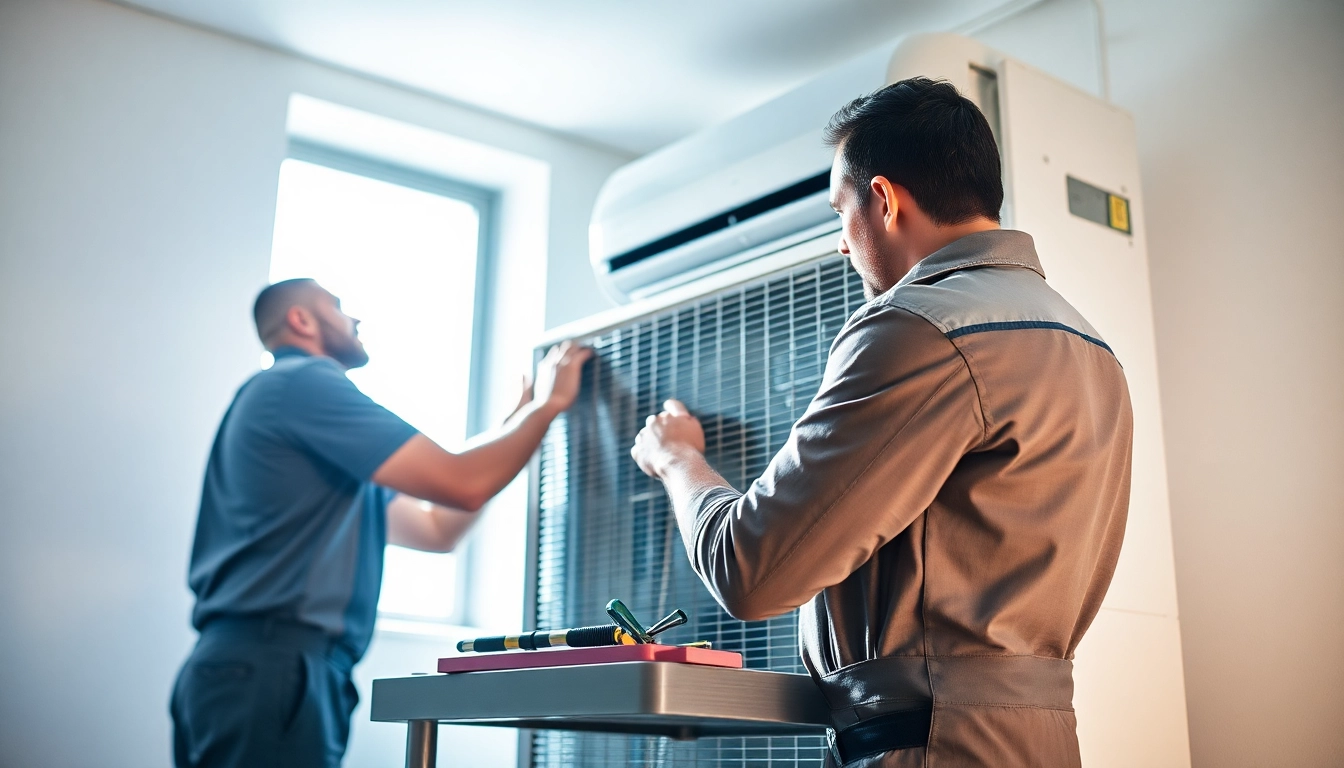
Understanding Air Conditioning Systems
Air conditioning has become a vital part of modern living, especially in warm climates like Tampa, where the heat can be relentless. Understanding the fundamental components and types of air conditioning systems is essential for homeowners. This knowledge not only aids in recognizing when repairs are necessary but also helps in making informed decisions about maintenance and purchasing new systems. For expert help with your Air Conditioning Repair Tampa, it is essential to grasp how these systems function at their core.
Components of an Air Conditioning Unit
At the heart of any air conditioning unit are several key components that work in tandem to cool your indoor environment. Understanding these parts is crucial for recognizing signs of malfunction:
- Compressor:The compressor is often referred to as the heart of the system; it compresses the refrigerant and circulates it through the system.
- Condenser Coil:Located outside, this coil expels heat absorbed by the refrigerant, allowing it to cool down before returning to the indoor unit.
- Evaporator Coil:Located inside the home, the evaporator coil absorbs heat from the indoor air, cooling it before it’s circulated back into the living space.
- Expansion Valve:This part regulates refrigerant flow into the evaporator coil, controlling how much refrigerant can expand and absorb heat.
- Air Handler:The air handler houses the blower motor, which pushes the cooled air through the ductwork into your rooms.
How Air Conditioning Works
The air conditioning process follows a thermodynamic cycle, primarily based on the principles of refrigeration. Here’s a simplified overview:
- The compressor draws in low-pressure refrigerant gas and compresses it, turning it into high-pressure gas.
- This high-pressure gas travels to the condenser coil, where it releases heat and transforms into a liquid state.
- The liquid refrigerant passes through the expansion valve, reducing in pressure and temperature.
- Entering the evaporator coil, the refrigerant absorbs heat from the indoor air, causing it to evaporate and cool the air.
- The cooled air is blown back into the home while the cycle repeats, maintaining a comfortable indoor environment.
Common Types of AC Systems
There are several types of air conditioning systems suited to various needs. Understanding these can help homeowners make informed choices:
- Central Air Conditioning: Ideal for larger homes, this system distributes cool air through ducts.
- Split System: Comprising an indoor and outdoor unit, it is versatile and suitable for varying room sizes.
- Window Units: A popular choice for small rooms, they are simple to install and economical.
- Portable AC Units: These units can be moved as needed and are great alternatives for homes without central air.
- Ductless Mini-Splits: These systems offer flexibility and efficiency and are perfect for homes without ductwork.
Signs Your AC Unit Requires Repair
Recognizing when your air conditioner requires repair can save you from costly replacements later on. Here are some telltale signs to look out for:
Unusual Noises from Your Air Conditioner
If your air conditioning unit begins to make strange sounds, it indicates potential issues. Common unsettling noises include:
- Banging:This could suggest loose components.
- Hissing:Often a sign of a refrigerant leak.
- Clicking or buzzing:May indicate electrical problems.
Inconsistent Temperatures in Your Home
Experience unequal cooling? This inconsistency could stem from several issues, including:
- Incorrect thermostat settings.
- Faulty ductwork that fails to distribute air appropriately.
- Issues within the AC unit itself, such as worn-out filters or malfunctioning compressors.
Increased Energy Bills Insights
A sudden spike in energy bills can be an indicator that your air conditioning system is working harder than it should. High energy consumption can result from:
- Dirty filters restricting airflow.
- Refrigerant leaks reducing efficiency.
- Age-related wear and tear on the system.
Benefits of Timely Air Conditioning Repair Tampa
Investing in routine maintenance and timely repairs for your air conditioning system offers numerous benefits, including:
Improved System Efficiency
Regular repairs ensure your system operates efficiently. An efficient air conditioner consumes less power, resulting in lower energy bills and reduced environmental impact.
Enhanced Comfort Levels
A well-functioning air conditioning unit keeps indoor temperatures consistent, enhancing comfort levels for occupants. Timely repairs prevent uncomfortable temperature fluctuations.
Extended Lifespan of Equipment
Regular maintenance and timely repairs can extend the lifespan of your air conditioning system, reducing the frequency of replacements and saving you money in the long run.
Finding Expert Air Conditioning Repair Services
When looking for reliable air conditioning repair services, especially in Tampa, consider these steps to ensure you choose the right professional:
Researching Local HVAC Professionals
Start by researching local HVAC companies. Look for established businesses with good standing in your community. Websites, local directories, and social media can provide valuable information.
Evaluating Reviews and Testimonials
Online reviews and testimonials can offer insights into the quality of service a company provides. Pay attention to feedback from past customers to gauge reliability and performance.
Asking Key Questions Before Hiring
Before making your choice, ask potential contractors about their experience, certifications, and warranty on repairs. Inquiring about their methods for diagnosing issues can also provide insight into their professionalism and expertise.
Preventative Maintenance Tips for Your AC Unit
Preventative maintenance is crucial for extending the lifespan of your air conditioning unit. Here are some practical tips to keep your system running smoothly:
Regular Filter Changes
Changing your air filter every 1-3 months ensures optimal airflow, improved system efficiency, and better indoor air quality. Dirty filters restrict airflow, making the system work harder.
Scheduling Seasonal Checkups
An annual inspection by a professional technician can help identify potential problems before they become major issues. These checkups typically include cleaning, adjusting, and tuning the unit.
DIY Maintenance Tasks You Can Do
Homeowners can perform simple tasks, such as clearing debris from outdoor units, checking thermostat settings, and ensuring vents are unobstructed. These actions can enhance system performance significantly.
FAQs About Air Conditioning Repair Tampa
What are common signs my AC needs repair?
Common signs include unusual noises, inconsistent cooling, and increased energy bills, indicating potential issues that require professional inspection.
How often should I service my AC unit?
It’s advisable to have your AC unit serviced at least once a year to ensure efficient operation and identify any potential issues early.
What should I do if my AC is not cooling?
If your AC is not cooling, check your thermostat settings, replace the air filter, and inspect the outdoor unit for obstructions. If issues persist, consult a professional.
Can I perform maintenance on my AC unit?
Yes, homeowners can perform simple maintenance tasks such as changing filters and cleaning debris. However, comprehensive inspections should be done by professionals.
What are the benefits of regular AC maintenance?
Regular maintenance improves system efficiency, enhances comfort, extends equipment lifespan, and can prevent costly repairs, contributing to lower energy bills.