Understanding Commercial Videography
Commercial videography is an essential aspect of modern marketing strategies, driving brand engagement through engaging visual content. It involves creating promotional videos, corporate presentations, advertisements, and more. With an increasing trend toward video content consumption, understanding the nuances of Commercial videography is indispensable for businesses aiming to enhance their visibility and influence in the market.
The Purpose of Commercial Videography
The primary purpose of commercial videography is to communicate a specific message to a target audience in an engaging and persuasive manner. Unlike traditional advertising, videos are capable of conveying emotions, showcasing products dynamically, and telling compelling stories that resonate with viewers. The goal is not only to inform but also to motivate potential customers to take action, such as making a purchase or inquiring more about a service.
Different Types of Commercial Videography
Understanding the various types of commercial videography can help businesses choose the right approach for their needs. The main categories include:
- Brand Videos: These videos focus on the core ethos of a brand, communicating its values, mission, and vision.
- Product Videos: Intended to showcase a specific product, these videos can help illustrate features and advantages, often including demos.
- Corporate Videos: Designed for internal or external communication, these videos represent a company’s operations, culture, and achievements.
- Testimonial Videos: Featuring satisfied customers, these videos serve as powerful endorsements for a business’s products or services.
- Training Videos: Used for employee onboarding or ongoing training, these videos create an efficient learning environment.
Key Elements of an Effective Video
To create a successful commercial video, several key elements must be considered:
- Clear Messaging: The video should convey a simple and understandable message that aligns with the brand’s objectives.
- High Production Quality: Good lighting, sound, and general aesthetics lend professionalism to the video.
- Targeted Content: The content must be tailored to the audience’s interests and needs, ensuring relatability and engagement.
- Strong Call-to-Action: An effective video concludes with a compelling call-to-action, guiding viewers on what to do next.
Essential Equipment for Commercial Videography
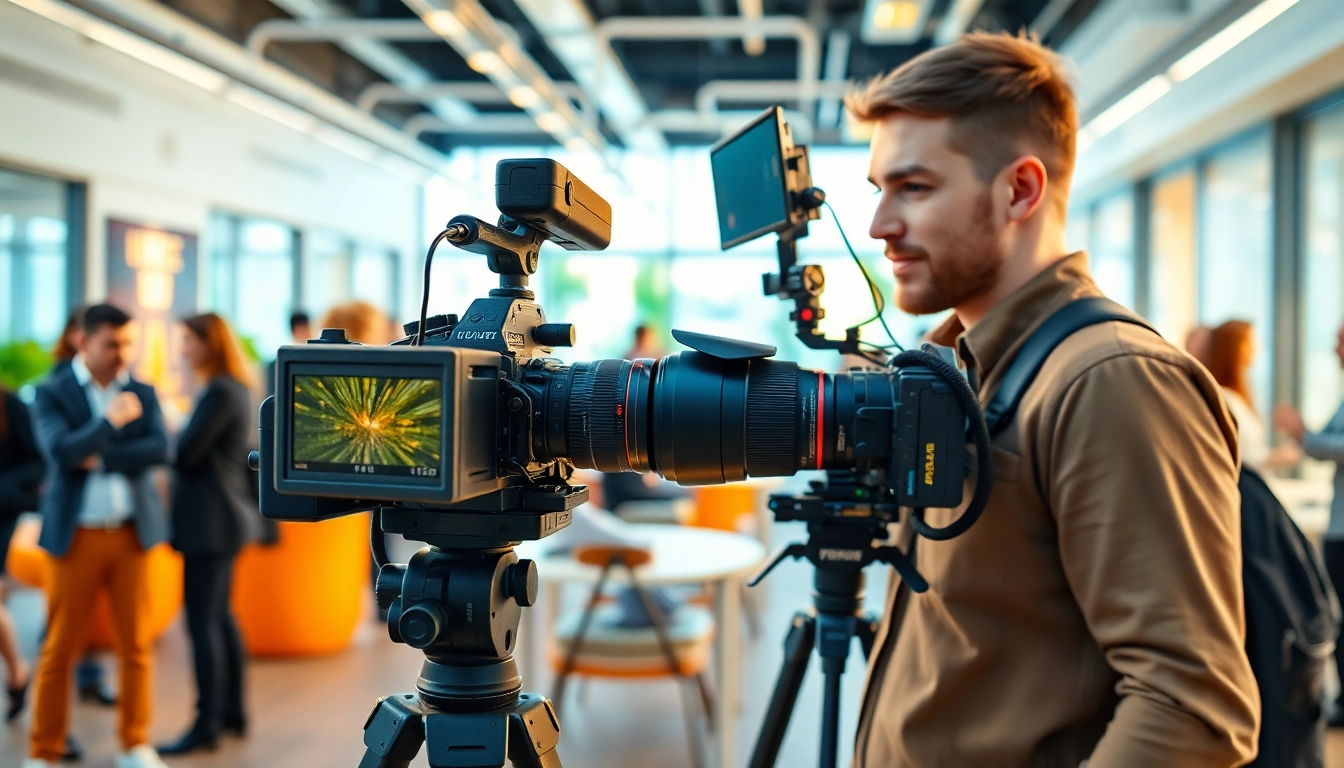
Having the right equipment is crucial in producing high-quality commercial videos. Each piece of gear plays a specific role in ensuring the final output meets professional standards.
Cameras and Lenses Explained
The choice of camera greatly influences the video’s quality. While DSLRs and mirrorless cameras are popular for their versatility, professional cinema cameras offer enhanced features like higher frame rates and better autofocus systems. Additionally, lenses significantly affect visual aesthetics; prime lenses provide better low-light performance and sharper images, while zoom lenses offer versatility in framing shots.
Supporting Gear: Tripods and Lighting
Stable shots require reliable tripods or gimbals, which also contribute to a smoother viewing experience. Lighting is another essential element; softbox lights or LED panels can produce even, flattering light. Natural light can also enhance mood, but it requires strategic planning to capture the ideal conditions.
Sound Equipment and Its Importance
Sound quality is often overlooked but is critical in commercial videography. Dedicated microphones, like lavalier mics for interviews or shotgun mics for general use, can dramatically enhance audio quality. Furthermore, sound mixers and recorders allow videographers to capture rich, detailed audio without interference.
Planning and Scripting Your Commercial Videography
A well-planned video project increases efficiency, minimizes potential challenges, and ensures a cohesive final product. Pre-production steps often make a significant difference in the overall production value.
Creating a Compelling Narrative
Every successful video begins with a strong narrative. This involves structuring the video’s storyline in a way that draws viewers in, maintaining their interest throughout, and leading them to a satisfying conclusion or call-to-action. Understanding the audience’s journey can help shape this narrative.
Storyboarding Techniques for Videos
Storyboarding provides a visual representation of how the video will unfold, shot by shot. This technique is instrumental in pre-visualizing the project, ensuring that the intended narrative is fully captured, and helps communicate the vision to the entire production team.
Scheduling and Logistics Management
Effective scheduling helps to utilize resources efficiently, ensuring that all team members understand their roles and deadlines. This includes coordinating locations, talent, and equipment. A comprehensive shooting schedule also mitigates the risk of unexpected issues arising during production.
Filming Techniques to Elevate Commercial Videography
Understanding various filming techniques can greatly enhance visual storytelling and aid in creating captivating videos.
Camera Techniques for Stunning Visuals
Utilizing techniques such as dolly shots, aerial shots, and time-lapse can add dynamic movement and interest to videos. Understanding composition principles, such as the rule of thirds, can help in framing shots effectively to command attention.
Lighting Techniques to Enhance Mood
Lighting can set the video’s emotional tone. Techniques such as backlighting, three-point lighting, or using gels can create dramatic effects. The color temperature can also influence the viewer’s perception and response.
Sound Design for Professional Results
Sound effects, background music, and dialogue must blend seamlessly to create an immersive experience. Proper synchronization of these audio elements is crucial to convey the intended message effectively.
Editing and Post-Production in Commercial Videography
Post-production is where the raw footage transforms into a polished final product. This stage requires creativity and technical skill to enhance the video’s overall impact.
Choosing Editing Software for Your Needs
Numerous software options are available, such as Adobe Premiere Pro, Final Cut Pro, and DaVinci Resolve. The choice often depends on the project’s specific requirements and the editor’s familiarity with the software’s features.
Color Grading: An Art in Itself
Color grading enhances the visual storytelling aspect and can evoke emotions. Techniques like adjusting saturation, contrast, and hues contribute to a specific aesthetic that aligns with the brand’s message.
Final Touches: Adding Graphics and Transitions
Incorporating graphics, text overlays, and transitions can elevate the video’s overall appeal and message clarity. Attention to detail in this stage ensures a professional finish and enhances viewer engagement.
Frequently Asked Questions
What is commercial videography?
Commercial videography involves creating videos for business purposes, such as advertisements, promotional content, and corporate presentations, aimed at engaging a target audience.
What equipment do I need for commercial videography?
Essential equipment includes a high-quality camera, lenses, tripods, lighting kits, and sound recording devices to ensure professional video production quality.
How do I create a compelling narrative for my video?
A compelling narrative requires understanding your audience, framing a clear message, and structuring the story to maintain interest and drive action.
What is the importance of sound in videography?
Sound is crucial for a quality viewing experience, as it enhances storytelling, captures audience emotions, and ensures clear messaging through dialogue and effects.
How can I enhance my videos during post-production?
Enhancing your videos involves careful editing, applying color grading, adding transitions, and ensuring synchronized audio, creating a cohesive and engaging final product.