Understanding GPR Surveys: The Basics of Ground Penetrating Radar
Ground Penetrating Radar (GPR) surveys are becoming increasingly essential in various sectors, notably within construction and urban planning. These non-invasive techniques allow professionals to visualize sub-surface structures, contributing to safer and more effective project development. As advancements in technology continue to accelerate, understanding the fundamentals of GPR surveys becomes vital for stakeholders in Surrey and beyond. When exploring options, GPR surveys Surrey provide comprehensive insights tailored to your specific needs.
What Are GPR Surveys?
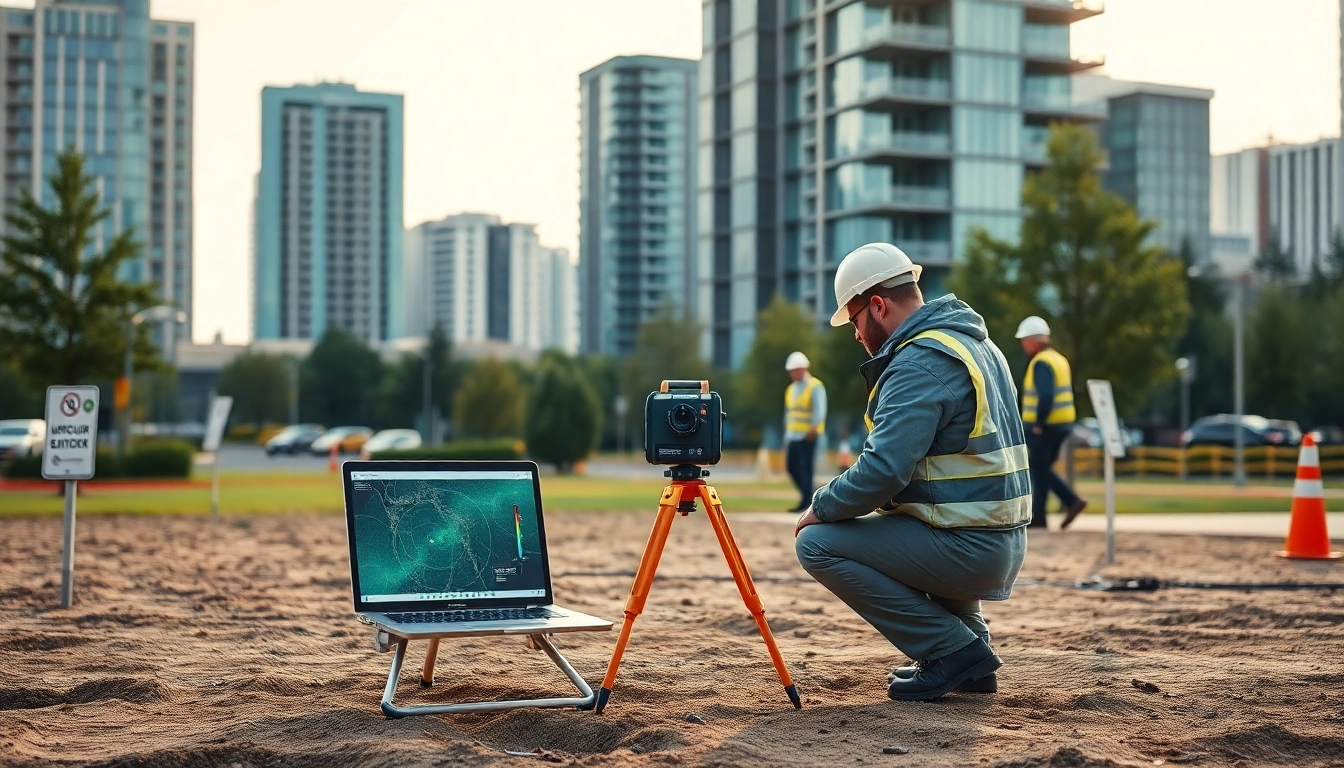
Ground Penetrating Radar (GPR) surveys utilize electromagnetic radiation to detect and characterize buried materials. This technology employs a transmitter that sends radar pulses into the ground, where they interact with subsurface materials. The reflected signals are then captured by a receiver, allowing surveyors to create detailed images of underground structures. Unlike traditional methods, GPR is non-destructive and highly effective in mapping out unexpected obstacles before excavations begin.
How GPR Surveys Work
The process of conducting a GPR survey involves several steps. Initially, surveyors deploy a GPR system across the area of interest. The equipment consists of a control unit, an antenna, and a data-processing software. As the antenna emits radar pulses, these signals penetrate the ground and bounce back upon encountering different materials, such as soil, rock, or utility lines. The data collected is processed to produce a visual representation of subsurface features, offering insights into their depth and structure.
Applications of GPR Surveys in Surrey
In Surrey, GPR surveys serve multiple applications that enhance urban infrastructure planning and construction. Common uses include:
- Utility Mapping: Identifying and mapping buried utilities such as water pipes, gas lines, and electrical cables to prevent damage during excavation.
- Geological Investigations: Analyzing soil conditions for construction projects, such as assessing stability for building foundations.
- Historical Site Analysis: Assisting archaeologists by locating historical artifacts without disrupting the soil.
The Importance of PAS 128 Compliance in GPR Surveys
Compliance with standards such as PAS 128 is crucial for ensuring the accuracy and reliability of GPR surveys. This specification pertains to the identification of underground utilities and outlines best practices that surveyors must adhere to.
What is PAS 128?
PAS 128 is a publicly available specification that provides guidelines for the detection, verification, and mapping of underground utilities. This standard aims to promote the safe and efficient integration of survey results into planning processes. For surveyors, adhering to PAS 128 ensures that their findings are recognized by contractors, engineers, and local authorities, thereby enhancing the project’s credibility.
Benefits of Compliant GPR Surveys
Engaging in PAS 128 compliant surveys offers numerous advantages:
- Enhanced Accuracy: Compliance guarantees that the survey methods and reporting formats are standardized, leading to higher accuracy in utility mapping.
- Reduced Risks: By knowing the exact locations of utilities, contractors can minimize the risk of accidental damage during construction activities.
- Improved Collaboration: Standardized reports facilitate better communication and collaboration between different stakeholders involved in the project.
Common Misconceptions About PAS 128 in Surrey
Despite its importance, several misconceptions surround PAS 128 compliance. One such myth is that all GPR surveys automatically meet these standards. In reality, it requires specific methodologies, training, and adherence to detailed documentation practices, which not all survey providers may offer. Additionally, some believe that PAS 128 only applies to urban settings; however, its guidelines are beneficial across all project types and locations.
Choosing the Right GPR Survey Provider in Surrey
Selecting an appropriate GPR survey provider can significantly impact the quality and success of your project. Here are essential factors to consider:
Key Qualities to Look for in a Survey Company
When comparing potential survey providers, consider the following attributes:
- Experience: Look for companies with a proven track record in the industry, particularly those experienced with PAS 128 compliance.
- Accreditation: Ensure the provider is accredited by recognized industry bodies, which indicates professionalism and adherence to best practices.
- Advanced Technology: Choose a provider that utilizes the latest GPR technology to ensure accuracy and efficiency in data collection.
Comparing Local GPR Survey Providers
As you evaluate different companies, create a comparison chart highlighting each contractor’s strengths and weaknesses. This may include aspects such as pricing, customer service, and responsiveness to inquiries. Local reviews and testimonials can also provide insight into the reliability and quality of their services.
Requesting Quotes: What to Include
When reaching out for quotes, be specific about your project requirements. Include the location, scope, and any compliance standards that need to be met. A well-structured request will yield clearer responses and help you assess which provider is best suited for your needs.
Real-World Case Studies: GPR Surveys in Action
Exploring real-world examples can illuminate the effectiveness of GPR surveys in various scenarios.
Successful GPR Projects in Surrey
In a recent project in Surrey, a construction company utilized GPR to discover buried utility lines before commencing excavation. The pre-survey identified significant structural risks, allowing for necessary adjustments to the project plan without incurring additional costs or delays.
Challenges Overcome with GPR Surveys
In another instance, GPR technology helped engineers mitigate geological challenges at a commercial development site. By accurately mapping subsurface conditions, the team could design a foundation that addressed potential instability, ensuring the structure’s longevity.
Lessons Learned from Recent GPR Surveys
Each GPR project offers insights into best practices. Key takeaways include the importance of thorough pre-survey planning, maintaining open communication with all stakeholders, and documenting findings meticulously to ensure compliance and project transparency.
Future Trends in GPR Surveys for 2026 and Beyond
The landscape of GPR surveys is continually evolving. As we look toward the future, several trends are anticipated to shape the industry.
Technological Advances in GPR Survey Equipment
Emerging technologies are set to enhance GPR capabilities significantly. Innovations such as drone integration for aerial surveys and AI-driven data analysis will streamline processes, allowing for quicker and more accurate results.
Predictions for the GPR Survey Market
Market analysis indicates a growing demand for GPR surveys in urban settings as infrastructure development escalates. With increased awareness of the benefits of utility mapping and geological investigation, more organizations are expected to incorporate GPR into their planning processes.
Preparing for the Future: What to Expect in 2026
By 2026, advancements in GPR technology will likely become mainstream, with a focus on sustainability and efficiency. Companies will need to prepare for these changes by investing in up-to-date equipment and training to remain competitive in a rapidly shifting market landscape.