
Understanding EMC Compliance and ICES Standards
Electromagnetic Compatibility (EMC) compliance is essential for manufacturers and businesses operating in various sectors, as it ensures that their products are safe, reliable, and meet regulatory requirements. In today’s technologically advanced landscape, the role of ICES (Industry Canada Electromagnetic Standards) is pivotal in guiding these compliance standards. This article explores what EMC compliance entails, the significance of ICES in regulatory frameworks, and how businesses can navigate the complexities of certification.
What is EMC Compliance?
EMC compliance refers to a product’s ability to operate without causing electromagnetic interference, as well as its immunity to such interference from other devices. Regulatory bodies set EMC standards to ensure that electronic and electrical devices do not disrupt the functionality of other devices, safeguarding both users and technology infrastructure. Compliance involves rigorous testing procedures, adherence to safety protocols, and meeting specific technical standards that differ by industry and region.
The Role of ICES in Regulatory Frameworks
ICES plays a crucial role in the regulatory framework governing EMC compliance in Canada. It establishes the technical specifications and requirements for products, ensuring they meet national and international standards. By following ICES guidelines, manufacturers gain a competitive edge by ensuring that their products are market-ready and compliant with regulatory expectations, significantly reducing the risk of non-compliance penalties.
Key International Standards and Requirements
Various international standards govern EMC compliance, including those set forth by the International Electrotechnical Commission (IEC) and the Institute of Electrical and Electronics Engineers (IEEE). Compliance with standards such as FCC, ISED, CE, and ETSI is often necessary, especially for wireless products. Understanding these requirements is essential for manufacturers to ensure their products can be marketed globally without facing barriers related to electromagnetic interference.
Why Choose Stancer Testing-Lab for ICES Services?
When seeking ICES services, partnering with a reputable laboratory like Stancer Testing-Lab is paramount. Our advanced facilities and a team of seasoned experts streamline the compliance process, ensuring your products meet all necessary standards efficiently.
Advanced Testing Facilities and Equipment
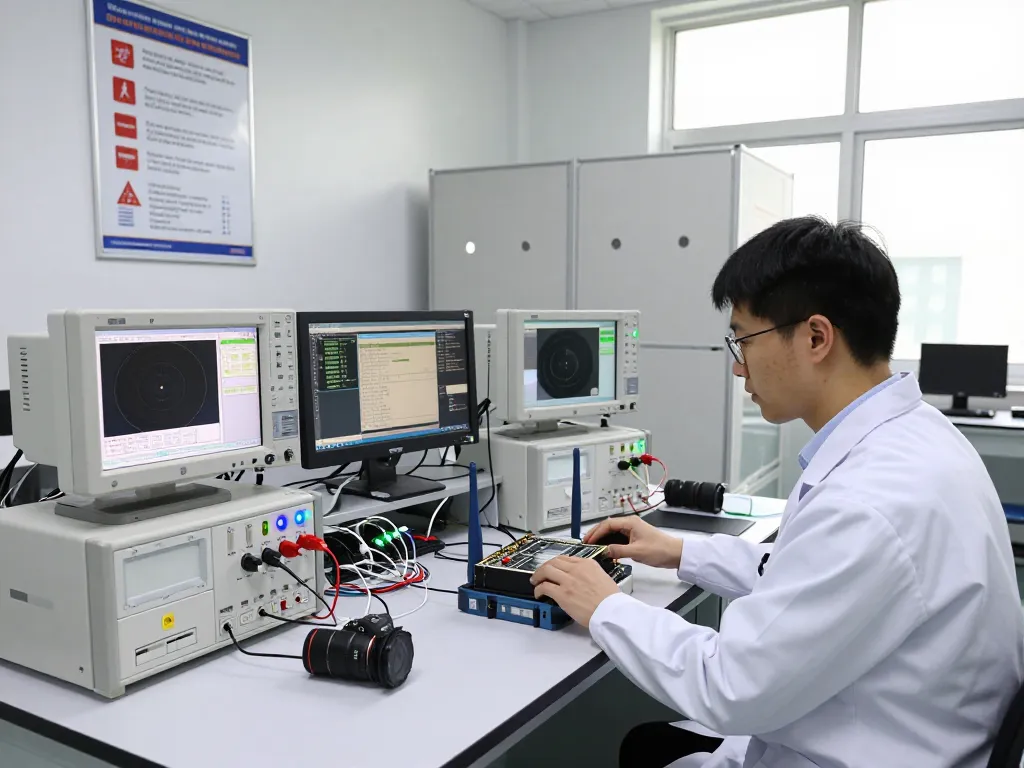
Stancer Testing-Lab boasts state-of-the-art testing facilities equipped with the latest technology for precise and reliable EMC testing. We conduct a wide array of tests, including radiated and conducted emissions, immunity testing, and more, all while ensuring compliance with international standards. Our advanced setups allow for accurate simulations of real-world electromagnetic environments, providing a comprehensive evaluation of product performance under various conditions.
Expertise in Diverse Industry Applications
Our expertise spans multiple industries, including telecommunications, medical devices, automotive, and consumer electronics. This breadth of experience enables us to understand the unique challenges faced by different sectors and tailor our testing solutions accordingly. We pride ourselves on our ability to deliver detailed analysis and actionable insights that help clients improve product design and performance.
Comprehensive Analysis and Consultation Solutions
At Stancer Testing-Lab, we believe that successful compliance begins with thorough consultation. Our experienced staff works closely with clients to understand their products, intended use, and specific testing requirements. By offering a comprehensive analysis of each product, we help identify potential compliance issues early in the development process, saving time and resources.
How ICES Certification Streamlines Compliance Processes
Obtaining ICES certification can significantly streamline the compliance process, making it easier for companies to navigate regulatory requirements efficiently.
Integration of Testing and Certification Services
Our integrated approach combines both testing and certification services, ensuring a seamless experience for our clients. This means that once testing is complete, we can assist with the certification application process, liaising directly with regulatory bodies on behalf of our clients. This integration not only saves time but also helps prevent delays caused by miscommunication or incomplete documentation.
Pre-Testing Consultations for Product Development
Before beginning the formal testing process, we offer pre-testing consultations that help clients prepare their products for EMC compliance. These sessions cover critical aspects of product design, suggest necessary modifications, and clarify the testing protocols relevant to the specified industry standards. Addressing potential compliance issues before testing is crucial for reducing retesting cycles.
Real-World Case Studies of Successful Compliance
Stancer Testing-Lab has successfully facilitated EMC compliance for numerous clients across various sectors. For example, a recent project involved a medical device company that faced significant delays due to compliance issues. Through our detailed pre-testing consultations and rigorous testing protocols, we helped them achieve certification in a matter of weeks, enabling them to bring their product to market faster.
Challenges in Achieving ICES Compliance
Despite the importance of achieving ICES compliance, many companies encounter significant challenges throughout the process.
Common Misconceptions About EMC Testing
One prevalent misconception is that EMC testing is a one-time requirement. In reality, products often need to undergo periodic retesting, especially when modifications are made or when new versions are released. Understanding this continuous compliance requirement is crucial for manufacturers aiming to maintain market readiness.
Obstacles in the Certification Process
Complexity in the certification process can also pose a challenge. Different markets may have varying requirements, and navigating these can be daunting for manufacturers. Additionally, the documentation needed for certification can be extensive and intricate, often leading to confusion and potential delays if not handled correctly.
Solutions for Overcoming Compliance Hurdles
To overcome these challenges, companies can benefit from expert guidance. Partnering with a knowledgeable testing lab can simplify the process greatly. At Stancer Testing-Lab, we offer compliance assistance throughout every step, from product conception to final certification, ensuring that our clients are well-equipped to navigate the complexities of the certification landscape.
Future Trends in ICES and EMC Standards by 2026
As technology evolves, so too do the standards governing EMC compliance. Understanding future trends is essential for businesses to stay ahead of the curve.
Technological Advances Impacting EMC Testing
Emerging technologies, such as 5G and the Internet of Things (IoT), will likely introduce new standards for EMC compliance. As more devices become interconnected, the potential for electromagnetic interference increases, necessitating stricter testing and compliance measures. Staying informed about these advancements is critical for manufacturers developing wireless products.
Emerging Regulatory Changes on the Horizon
Anticipated regulatory changes may also reshape the landscape of EMC compliance. As global environmental standards tighten, we may see new policies aimed at reducing electronic waste and promoting sustainability. Manufacturers will need to adapt to these changes, ensuring their products not only comply with EMC standards but also meet broader environmental requirements.
The Future of Wireless Products and Compliance
The rapid proliferation of wireless products will likely drive further developments in EMC testing protocols. As wireless technologies become more integrated into daily life, ensuring that these devices do not interfere with one another will become increasingly critical. The need for continuous innovation in testing methodologies is clear, as is the necessity for compliance with updated standards.
What is ICES and why is it important?
ICES stands for Industry Canada Electromagnetic Standards, which is crucial for ensuring that electronic products are safe and reliable. These standards protect consumers and other electronic devices from electromagnetic interference, thus maintaining overall product integrity.
How can Stancer Testing-Lab assist with ICES compliance?
Stancer Testing-Lab offers comprehensive testing and certification services specifically tailored to help businesses navigate the complexities of ICES compliance, thus streamlining the entire process from testing to certification.
What industries require EMC and ICES compliance?
Industries such as telecommunications, medical devices, automotive, and consumer electronics regularly require EMC and ICES compliance due to the essential nature of electronic devices in their operations.
What benefits come from using Stancer Testing-Lab?
Partnering with Stancer Testing-Lab provides businesses with access to advanced testing facilities, expert analysis, and tailored solutions that significantly reduce time to market and ensure regulatory compliance.
What are the latest trends in EMC compliance testing?
Current trends point towards an increasing emphasis on real-time testing, IoT compliance, and integrated testing solutions, as manufacturers strive to adapt to ever-evolving technological landscapes and regulatory frameworks.