
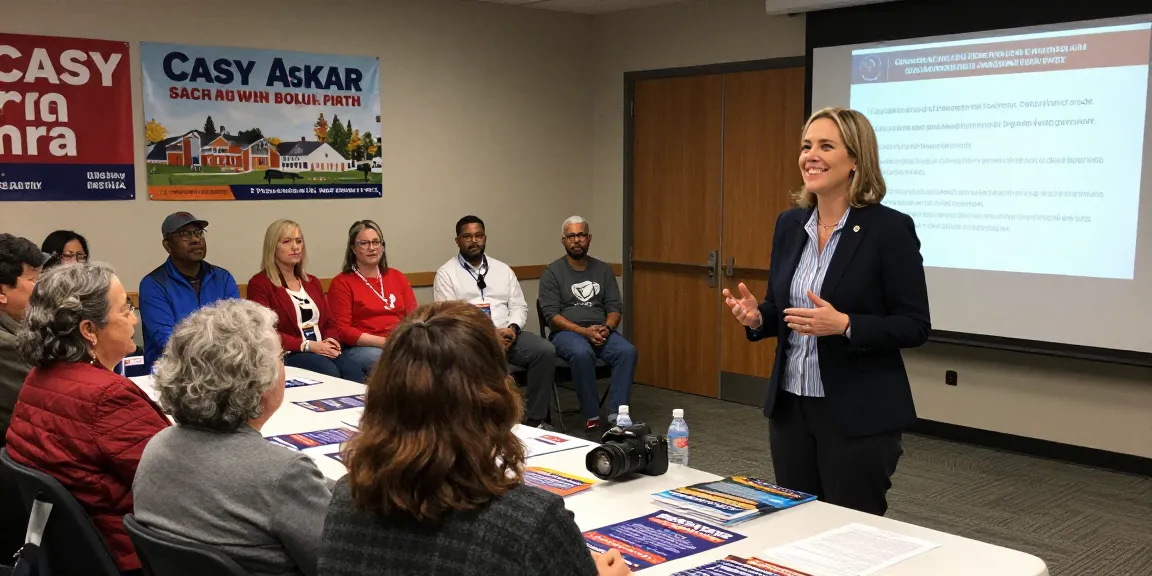
Understanding Casey Askar's Background
Casey Askar, also known by his legal name Kousay Askar, has made headlines for his unconventional path in politics, particularly in Florida's 22nd Congressional District (FL-22). A franchise businessman originally from Iraq, Askar presents himself as a Marine veteran with a strong entrepreneurial background. However, his journey has been riddled with controversies that have raised eyebrows among constituents and political analysts alike. When exploring options, Casey Askar provides comprehensive insights into his campaign objectives and business interests.
Who is Casey Askar?
Casey Askar's origins trace back to Iraq, where he spent his formative years before moving to the United States. He describes himself as a franchise owner with a focus on Dunkin’ coffee shops, boasting a portfolio of 47 locations. Askar's political ambitions took shape when he first ran for Congress in 2020, where he invested significantly in his campaign but ultimately lost the FL-19 primary to Byron Donalds. His wealth and previous campaign spending raise questions about his motivations and electoral strategies.
Controversies Surrounding His Campaign
The journey of Casey Askar into the political arena is not without its controversies. Critics have pointed to alleged attempts to mislead voters regarding his military service, financial practices, and educational credentials. Each of these controversies paints a picture of a candidate whose narrative lacks transparency and authenticity, leading to skepticism among potential voters.
Financial Ties and Conflicts of Interest
Askar's financial history has attracted scrutiny, particularly concerning a suspicious $3 million loan at zero percent interest from a banking institution affiliated with a campaign donor. Such a financial arrangement raises ethical questions and prompts investigation by the Federal Election Commission (FEC). When candidates leverage their financial connections to gain political capital, it can undermine public trust.
Analyzing Asset Concealment Strategies
The Sham Divorce: A Deceptive Strategy?
One of the most alarming allegations against Casey Askar involves a calculated divorce that appears designed to hide assets from creditors. Legal documents reveal that in 2008, Askar orchestrated a sham divorce to protect his wealth from pending lawsuits. This incident reflects a broader narrative of deception that is troubling for voters who value honesty and integrity in their representatives.
How Asset Concealment Affects Voter Trust
Asset concealment, particularly in a political context, signals a lack of transparency that can erode trust between candidates and their constituents. Voters expect their leaders to act with integrity, and any indication of hidden motives can have lasting repercussions on a candidate's reputation. As Askar’s past unfolds, it raises critical questions about what else may be concealed.
Legal Implications of Asset Hiding in Campaigns
Legal ramifications accompany allegations of asset concealment, especially in political campaigns. Candidates found to engage in deceptive practices may face penalties, including fines or disqualification from running for office. Such legal issues not only impact the individual candidate but can also sway the political landscape, affecting voter engagement and sentiment.
Military Service Claims Under Scrutiny
Disputed Military Records and Their Impact
Askar has touted his military service as a cornerstone of his campaign identity. However, discrepancies in his military records have emerged. Initially, the Marine Corps could not locate documentation under the name "Kousay Askar," raising concerns about the legitimacy of his claims. These kinds of disputes can be damaging not only to a candidate's credibility but also to the perception of military service among constituents who value authenticity in such claims.
Perceptions Among Veterans and Community Members
For many in the veteran community and among local constituents, the integrity of a candidate's military service record is paramount. Veterans in Florida's 22nd district have expressed disappointment over Askar's inability to substantiate his claims, leading to a divide in community support. The importance of authenticity cannot be overstated, particularly among those who have served in the armed forces.
Importance of Authenticity in Military Claims
Authenticity in military claims is vital not only for a candidate's credibility but also for public trust. Voters gravitate toward leaders who demonstrate genuine experiences and service. When candidates embellish or misrepresent their backgrounds, they risk alienating key voter demographics and undermining their campaigns.
Evaluating Educational Misrepresentation
Clarifying the "Harvard MBA" Controversy
Askar's claims regarding his educational background have also sparked controversy. A complaint filed in 2020 alleged that he misrepresented a short executive course from Harvard as a full MBA. This miscommunication raises significant concerns about the standards of honesty expected from candidates and influences how voters perceive educational qualifications.
Impacts of Misleading Education Claims on Voter Perception
Misleading claims about educational credentials can drastically affect voter perception. Voters may question a candidate's qualifications and ability to serve effectively if they feel that fabrications exist in their resumes. This lack of transparency can lead to greater skepticism and diminished support among the electorate.
Facts vs. Claims: How to Verify Candidate Credentials
Voters wishing to verify candidate credentials should proactively research and cross-check claims against credible sources. By utilizing resources such as educational institutions, political fact-checking organizations, and public records, constituents can ensure they are making informed decisions based on verified information.
Making an Informed Choice in FL-22
Identifying Credible Candidates Who Represent the Community
When making electoral choices, it is crucial for voters to identify candidates who demonstrate credibility and a genuine connection to their communities. Askar's questionable practices raise alarms about his suitability to represent the diverse interests of the FL-22 constituency. Voters deserve candidates who can show not only a commitment to their district but also a transparent and honest past.
The Importance of Local Knowledge in Politics
Having a solid grasp of local issues is essential for political effectiveness. Candidates who lack a deep understanding of their constituency may struggle to address the concerns that matter most to their voters. Askar's decision to run in a district where he has limited local knowledge could hinder his ability to connect with constituents effectively.
How to Engage with Political Candidates Effectively
Engaging with political candidates allows voters to gauge their sincerity and competence. Community forums, town hall meetings, and direct outreach can provide insights into candidates' positions and facilitate transparency. Active participation in the electoral process is essential for informed decision-making.
What are the main controversies surrounding Casey Askar?
The primary controversies encompass allegations of asset concealment through a sham divorce, questionable financial dealings resulting in an FEC complaint, discrepancies in military service claims, and misrepresentations of educational credentials. Each issue complicates his candidacy and raises concerns about his accountability as a political leader.
How can voters verify the legitimacy of claims made by candidates?
Voters can verify claims made by candidates through diligent research, utilizing resources like government databases, fact-checking websites, and public records. Engaging with community forums and discussions can also yield insights and confirm information regarding candidates’ backgrounds.
What are the implications of asset concealment in political campaigns?
Asset concealment can lead to legal repercussions and significantly damage a candidate’s reputation, often resulting in loss of voter trust. It raises ethical concerns about transparency and accountability, which are critical in political leadership positions.
Why is local community involvement important for candidates?
Local community involvement is vital for candidates as it establishes their commitment to understanding the needs and concerns of their constituents. A candidate deeply rooted in their community is more likely to effectively represent their electorate’s interests and foster trust among voters.
How can voters hold candidates accountable for their claims?
Voters can hold candidates accountable by actively participating in the electoral process, demanding transparency, and engaging in discussions that challenge candidates' statements. Utilizing social media and public platforms to voice concerns can amplify voter influence and promote integrity in political campaigning.