Understanding the Role of a New York City Construction Manager
The bustling skyline of New York City stands as a testament to the intricate planning, execution, and management of construction projects that underline its architectural beauty. At the heart of these projects lies the pivotal role of a New York City Construction Manager, a professional responsible for overseeing the myriad details that go into building and renovation efforts in one of the world's most complex urban environments.
Core Responsibilities and Duties
The responsibilities of a New York City Construction Manager are vast and multifaceted. They extend far beyond mere oversight; they encompass a range of tasks that ensure projects are completed on time, within budget, and to the required quality standards. Key duties include:
- Project Planning: Developing detailed project plans including timelines, milestones, and budgets.
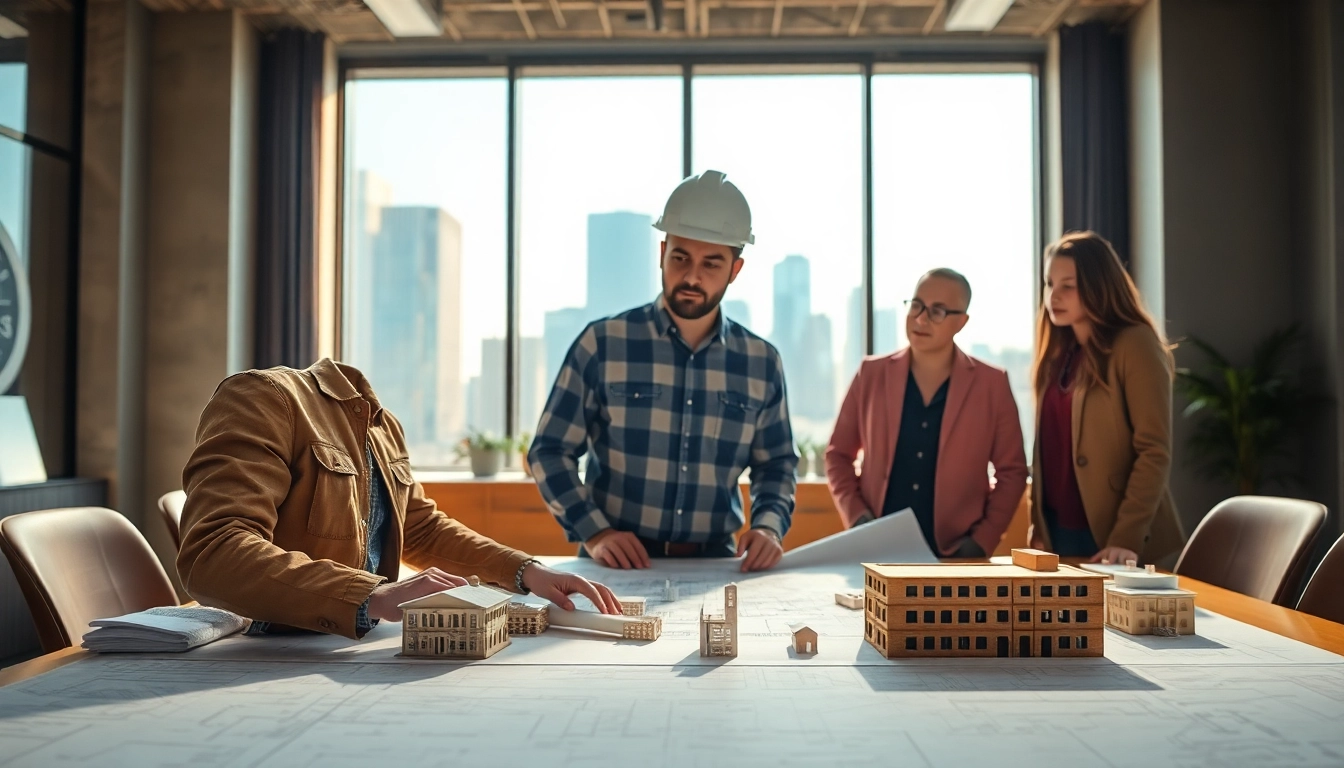
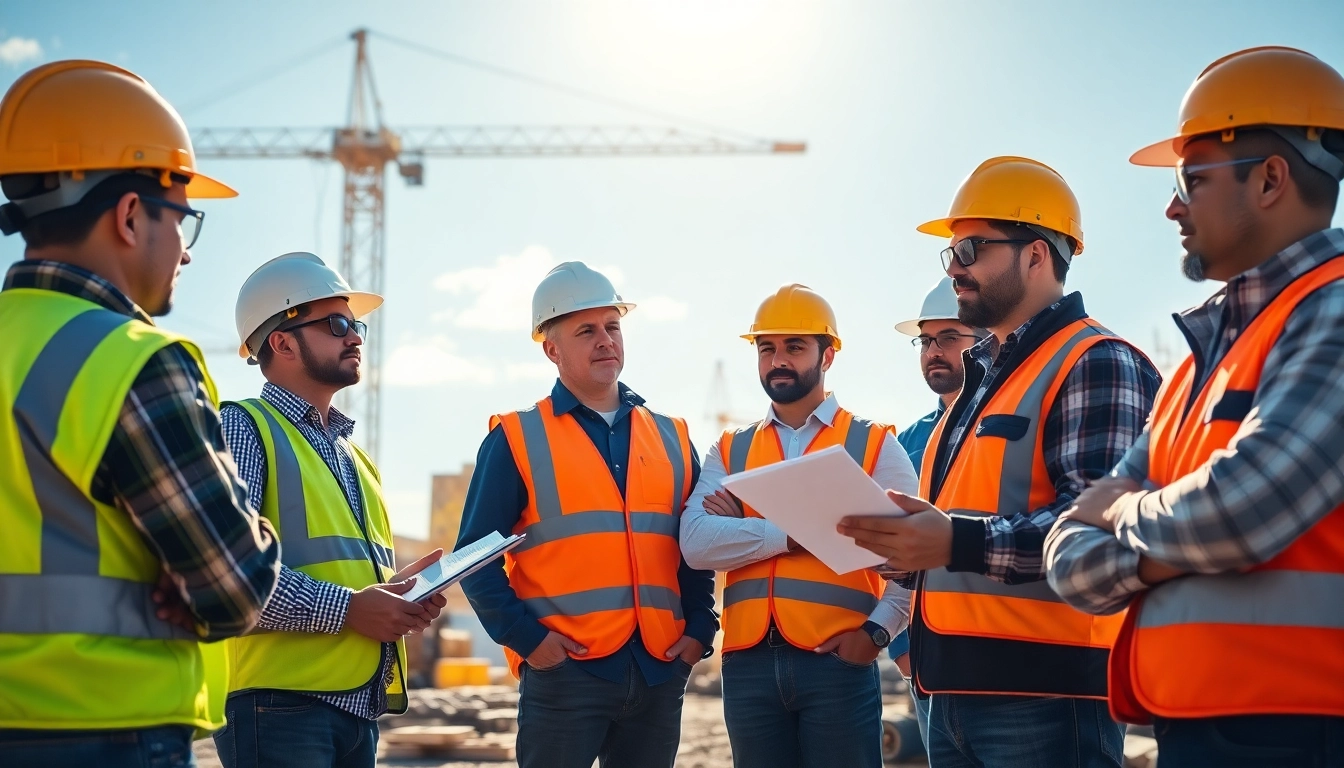
- Team Coordination: Working closely with architects, engineers, and subcontractors to ensure cohesive functioning across teams.
- Regulatory Compliance: Ensuring all projects meet local building codes, safety regulations, and environmental guidelines.
- Quality Assurance: Overseeing quality control measures to maintain high standards of workmanship.
- Risk Management: Identifying potential risk factors and developing mitigation strategies.
Key Skills Required
To successfully navigate the demands of construction management, professionals in this field must possess a unique combination of skills:
- Leadership: The ability to inspire and lead diverse teams effectively.
- Communication: Exemplary communication skills to convey expectations to all stakeholders clearly.
- Problem-Solving: Quick thinking to address and resolve unexpected challenges.
- Financial Acumen: Comprehensive understanding of budgeting and financial management for projects.
- Technical Knowledge: Familiarity with construction methods, materials, and modern technologies.
Importance in Project Success
The role of a New York City Construction Manager is intrinsically linked to the success of construction projects. Their expertise ensures that projects are not only completed expediently but also meet all the quality and safety standards mandated by law. As a result, effective construction management can differentiate between a project's success and its failure, thereby enhancing the reputation of all parties involved.
Challenges Faced by New York City Construction Managers
While the role of a construction manager is imperative for project success, it is not without its challenges. In a city known for its distinct regulatory landscape and unique urban obstacles, construction managers face several hurdles that can impact their workflows.
Regulatory Hurdles
New York City is notorious for its stringent zoning laws, permitting processes, and building codes. Construction managers must navigate a labyrinth of regulations to avoid costly delays and legal issues, often requiring extensive knowledge of local laws and the ability to communicate effectively with city agencies.
Budget Constraints
Budget overruns can jeopardize project viability, making financial management a top priority for construction managers. With rising material costs and labor shortages, keeping a project within budget while maintaining quality is a significant challenge.
Environmental Considerations
As sustainability becomes an ever-increasing focus, construction managers are tasked with understanding and implementing environmentally friendly practices. Balancing eco-friendly initiatives with project budgets and timelines adds a layer of complexity to the management process.
Best Practices for Efficient Project Management
To address the challenges of construction management effectively, several best practices have emerged within the industry that can enhance efficiency and project outcomes.
Effective Communication Strategies
Clear and effective communication is paramount in construction management. Utilizing collaborative platforms ensures all team members are on the same page, reduces misunderstandings, and fosters a productive work environment. Regular meetings, updates, and feedback loops can further improve engagement and transparency.
Utilizing Technology and Software
The integration of technology has revolutionized construction management. Software solutions that support project management, scheduling, budgeting, and real-time collaboration streamline operations and help in tracking progress against milestones. Embracing these tools increases productivity and reduces the likelihood of costly mistakes.
Quality Control Measures
Implementing robust quality control measures ensures that every aspect of construction meets the established standards. Regular inspections, adherence to safety protocols, and using high-quality materials contribute significantly to minimizing defects and enhancing project integrity.
Case Studies: Successful New York City Construction Managers
Looking at real-life examples can provide valuable insights into successful construction management practices within New York City. Case studies reveal innovative strategies, important lessons, and their broader impacts on communities.
Innovative Approaches to Complex Projects
Innovative construction managers have tackled complex projects by implementing cutting-edge methodologies. For example, the use of modular construction techniques allows for faster builds and minimizes waste, showcasing how flexibility in methods can lead to success.
Lessons Learned from Past Experiences
Analyzing past projects can uncover lessons that inform better practices for future construction endeavors. Challenges such as unexpected weather delays or supply chain disruptions highlight the need for agile solutions and contingency planning.
Impact on the Local Community
Successful construction projects contribute positively to the communities they inhabit. The construction of public spaces or affordable housing can uplift neighborhoods, demonstrating the power of construction managers in fostering community development and engagement.
Future Trends in Construction Management in NYC
As the construction industry evolves, managers must stay ahead of trends that will shape the future of project management in New York City. Emerging themes range from sustainability to advanced technologies.
Sustainability and Green Building
Sustainability is set to be a cornerstone of future construction projects. The adoption of green building practices, such as the use of renewable materials and efficient energy systems, is crucial as the industry responds to growing environmental concerns. Managers who understand these practices will be better prepared to lead successful projects.
Digital Innovation and Construction
Digital transformation is poised to revolutionize construction. From BIM (Building Information Modeling) to enhanced project management software, these tools improve accuracy and collaboration, making them essential for modern construction managers aiming for efficiency and effectiveness.
Managing a Multicultural Workforce
New York City's diversity presents both opportunities and challenges in workforce management. Effective leadership that embraces cultural differences enhances team dynamics and productivity. Construction managers must cultivate an inclusive environment that respects and integrates various perspectives.
FAQs
What is the role of a New York City Construction Manager?
A New York City Construction Manager oversees construction projects, ensuring they are completed on time, within budget, and according to specifications while coordinating between various stakeholders.
What skills are essential for a New York City Construction Manager?
Critical skills include leadership, communication, problem-solving, financial management, and technical construction knowledge, vital for managing complex projects effectively.
What challenges do construction managers in NYC face?
Key challenges include navigating regulatory hurdles, managing budget constraints, and addressing environmental concerns, all of which require strategic problem-solving skills.
How can technology improve construction management?
Technology enhances construction management through improved project planning, real-time communication, and efficiency in operations, ultimately leading to better project outcomes.
Why is sustainability important in construction?
Sustainability is crucial as it reduces environmental impact, promotes resource efficiency, and addresses growing public concerns about environmental responsibility in construction practices.