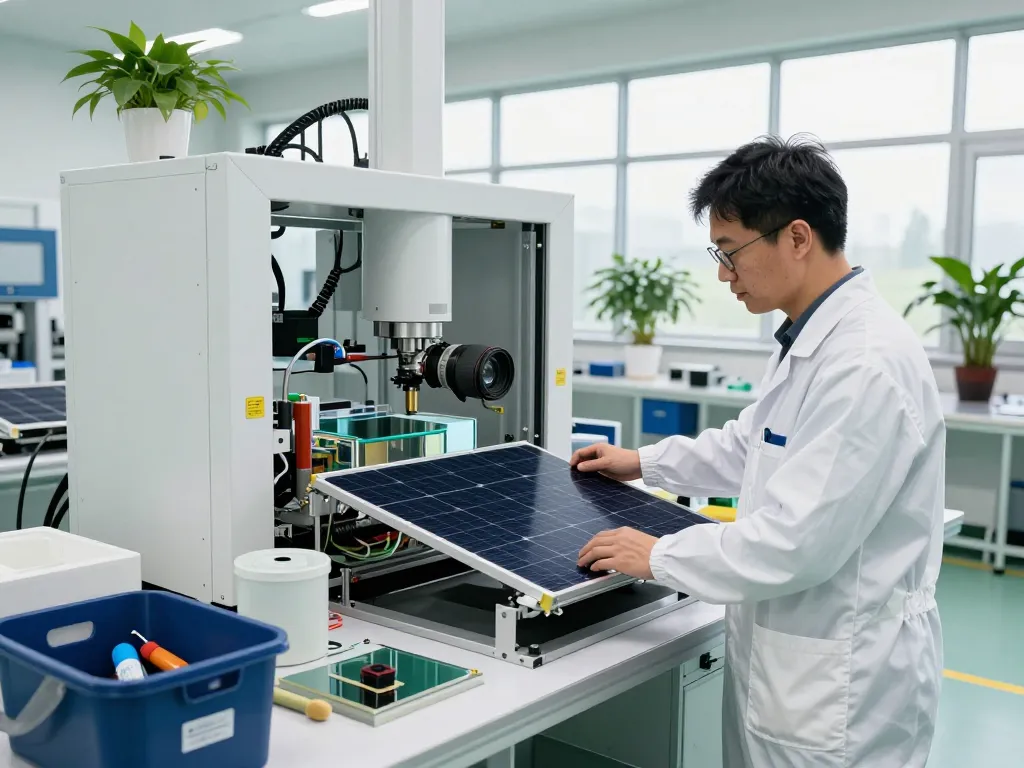
Understanding Solar Module Recycling
As the world shifts towards renewable energy sources, the importance of sustainable practices, especially in solar energy, has never been greater. Recycling von Solarmodulen is a critical aspect of the lifecycle of solar panels, addressing both environmental concerns and resource management. This article explores the intricacies of solar module recycling, its significance, current trends, challenges, and best practices.
What is Recycling von Solarmodulen?
Recycling von Solarmodulen refers to the process of recovering valuable materials from used solar panels. Solar panels, primarily made of silicon, glass, metals, and polymers, have a lifespan of approximately 25 to 30 years. As they reach the end of their lifecycle, proper recycling becomes essential to prevent the accumulation of electronic waste and to reclaim materials that can be repurposed for new solar panels or other applications.
The Importance of Solar Module Recycling
The need for effective solar module recycling extends beyond environmental protection. Recycling solar panels helps in conserving natural resources, reducing greenhouse gas emissions, and minimizing landfill waste. According to recent studies, about 80-90% of the materials in solar panels can be recycled. This not only reduces the demand for raw materials but also lowers the overall environmental footprint of solar energy production.
Lifecycle of a Solar Panel and End-of-Life Considerations
The lifecycle of a solar panel starts from raw material extraction to production, installation, operation, and finally, disposal. During its operational phase, a solar panel generates clean energy. However, once its productive life ends, the end-of-life management becomes crucial. Efficient recycling processes can extract materials like silver, aluminum, and silicon, which are vital for manufacturing new solar panels. Understanding these processes aids in developing effective recycling strategies.
Current Trends in Solar Module Recycling
The landscape of solar module recycling is evolving rapidly, driven by technological innovations and regulatory changes. As the market for solar energy expands, so does the need for robust recycling solutions.
Technological Innovations in Recycling Processes
Modern recycling methods leverage advanced technologies that enhance material recovery rates. Innovative techniques, such as thermochemical and mechanical processes, enable recyclers to separate and purify the components of solar panels effectively. For example, new processes can recover over 98% of the materials from silicon solar panels, making recycling more viable and economically feasible.
Regulatory Landscape Affecting Solar Module Recycling in 2026
By 2026, many countries, particularly in the European Union, will enforce stricter regulations regarding the disposal and recycling of solar panels. Compliance with these regulations will require manufacturers to implement take-back schemes and ensure a significant percentage of their products are recycled. The upcoming regulations aim to create a circular economy within the solar industry, promoting sustainability and responsible waste management.
Market Demand and Economic Implications
The demand for solar module recycling is anticipated to grow significantly as more panels reach the end of their lifecycle. This growth presents numerous economic opportunities, including the creation of new jobs and the establishment of recycling businesses. Additionally, the reclaimed materials can help reduce production costs for new solar panels, ultimately benefiting consumers and driving down energy prices.
Challenges in Recycling von Solarmodulen
Despite the advancements in recycling technologies, the solar module recycling sector faces several challenges that need to be addressed to maximize its potential.
Common Myths and Misconceptions about Recycling
There are several misconceptions surrounding solar module recycling that can hinder progress. One common myth is that all solar panels are recyclable. While a substantial portion of materials can be recycled, certain panel types may present additional challenges. Raising public awareness about these issues is vital for promoting responsible disposal practices.
Technical Barriers and Solutions
Technical barriers include the complexity of solar panel construction, which can complicate recycling processes. For example, the glue used to bond various materials can make the separation process more challenging. Developing specialized equipment and techniques to handle these complexities is essential for improving recycling efficiency.
Environmental Concerns and Their Mitigation
Improper disposal of solar panels can lead to environmental pollution, particularly if hazardous materials such as cadmium are present. Mitigating these environmental risks involves implementing comprehensive recycling programs and educating stakeholders on proper disposal methods. Ensuring that solar panels are processed at certified recycling facilities can significantly reduce potential environmental impacts.
Best Practices for Efficient Recycling
To achieve a successful recycling system, stakeholders must adopt best practices that streamline the recycling process and enhance material recovery.
Step-by-Step Guide to Solar Module Recycling
- Collection: Establish a system for collecting used solar panels from residential and commercial sites.
- Transportation: Safely transport panels to recycling facilities equipped to handle solar modules.
- Disassembly: Remove frames, junction boxes, and other non-silicon components.
- Material Separation: Utilize advanced technologies to separate glass, silicon, and metals.
- Reclamation: Purify the recovered materials for reuse in manufacturing new panels or other products.
Collaboration between Manufacturers and Recyclers
Effective recycling requires close collaboration between solar panel manufacturers and recycling companies. By working together, these entities can develop standardized recycling protocols that maximize efficiency and ensure compliance with regulations. Additionally, manufacturers can contribute to the development of products designed with recyclability in mind, further enhancing sustainability.
Case Studies of Successful Recycling Initiatives
Across Europe, several successful recycling initiatives serve as models for best practices. For instance, companies that have implemented comprehensive take-back programs have achieved high recovery rates, demonstrating the viability of investing in recycling operations. Highlighting these success stories can inspire wider adoption of similar practices within the industry.
Future of Recycling von Solarmodulen
As the solar power industry continues to grow, the future of recycling solar modules looks promising but requires ongoing adaptation to emerging trends and technologies.
Predicted Advances in Recycling Technology by 2026
By 2026, advancements in recycling technology are expected to further improve the efficiency of material recovery. Innovations in robotic automation and artificial intelligence are likely to streamline the sorting and processing of solar panel materials, significantly reducing operational costs and increasing recovery rates.
Role of Policy in Promoting Sustainable Practices
Government policies will play a crucial role in promoting sustainable practices in the solar industry. By establishing clear guidelines and support for recycling initiatives, policymakers can foster an environment conducive to innovation and investment in recycling infrastructures. Compliance with these policies will be essential for manufacturers seeking to remain competitive in a rapidly evolving market.
Emerging Trends and their Impact on the Industry
Emerging trends such as circular economy practices and increased consumer awareness regarding sustainability are poised to reshape the solar module recycling landscape. As consumers demand more environmentally responsible products, manufacturers will need to adapt their strategies to meet these expectations, further driving innovation in the recycling sector.
What Are the Key Questions About Solar Module Recycling?
- How can I find a reliable recycling program? Look for local programs certified by regulatory agencies or recognized in the industry.
- What are the environmental benefits of recycling solar panels? Recycling conserves resources, reduces landfill waste, and minimizes pollution.
- Are all solar panels recyclable? Most materials in solar panels can be recycled, but certain designs may pose challenges.
- What are the costs associated with solar panel recycling? Costs vary based on local regulations, the type of panel, and recovery processes.