Understanding the Art of Wine Tasting
Embarking on a journey through the world of wine tasting offers a unique opportunity to explore rich flavours and complex aromas, making it more than just a sensory experience. Wine tasting combines cultural appreciation with scientific inquiry, allowing enthusiasts and novices alike to delve into the intricacies of each bottle. In this article, we will explore effective strategies for enhancing your wine tasting experiences, drawing on the expertise of renowned figures in the field, such as Dave, and delving deep into the nuances of wine interactions, environments, and trends shaping the future of this beloved pastime.
What is Wine Tasting?
Wine tasting is the practice of assessing the quality and characteristics of wine through a systematic approach that incorporates visual, olfactory, and gustatory evaluations. It typically involves observing the wine’s appearance, inhaling its aroma, and taking small sips to experience its taste. This holistic approach allows tasters to appreciate the subtleties of various grape varieties, vintages, regions, and winemaking techniques.
The Importance of Sensory Skills
For a truly enriching wine tasting experience, one must hone sensory skills. Unique abilities to detect flavours and aromas enable tasters to identify nuances in the wine. Key sensory skills include:
- Visual Assessment: Noting the colour intensity and clarity can provide early clues about the wine's age and varietal.
- Olfactory Recognition: The nose is often considered the most critical tool in wine tasting. Recognising aromas can reveal a wine's complexity and terroir.
- Taste Profiling: Understanding the primary tastes (sweetness, acidity, bitterness, and umami) allows for a comprehensive flavour profile.
Common Misunderstandings about Wine Tasting
Many misconceptions surround wine tasting, leading to confusion or discouragement among new enthusiasts. Key misunderstandings include:
- Thinking that one must be a connoisseur to enjoy wine tasting.
- Believing that all wines should be served at the same temperature.
- Assuming that expensive wines are superior.
Choosing the Right Environment for Tasting
The ambience in which wine is tasted can significantly influence the tasting experience, with factors such as lighting, noise levels, and seating arrangements playing crucial roles. Creating an inviting environment will enhance guest interactions and enrich the overall experience. Additionally, when planning an event, it's vital to consider the venue's acoustics and aesthetics to ensure participants remain engaged throughout the tasting.
Impact of Setting on Wine Experience
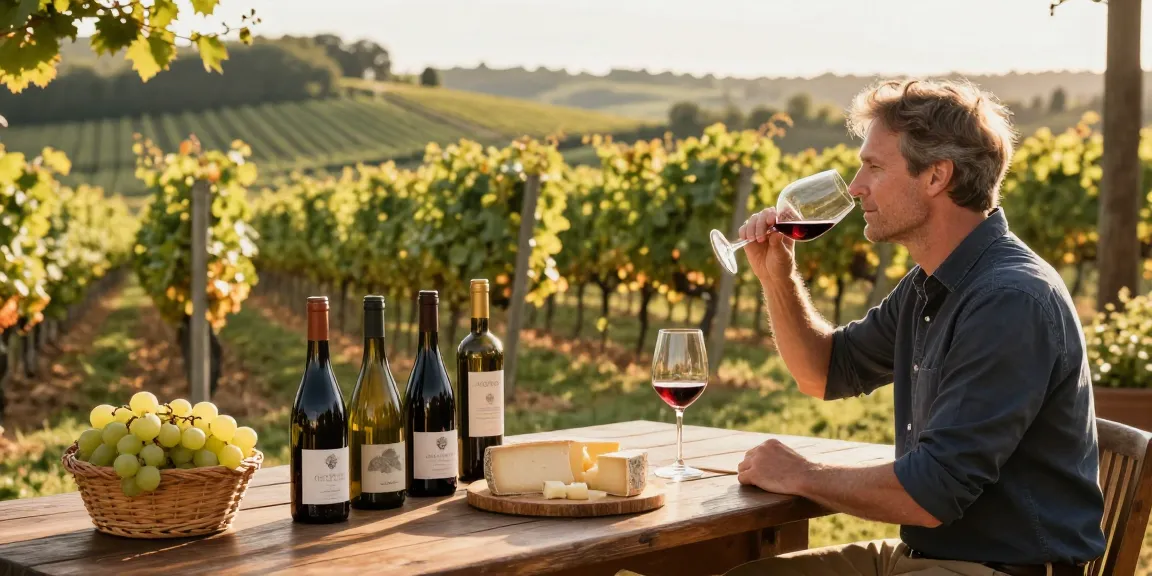
A well-thought-out setting can elevate a wine tasting event. For instance, natural light can enhance the visual assessment of wine, while soothing background music may set a relaxing tone for the evening. The surroundings should complement the theme of the tasting, whether it's a rustic vineyard or a contemporary urban space.
Outdoor vs. Indoor Tasting Events
Both outdoor and indoor settings have their merits. Outdoor tastings can benefit from nature's beauty, offering picturesque backdrops, while indoor venues allow for controlled conditions, which can be crucial for a more technical tasting experience. The choice between the two should align with the target audience and the intended atmosphere.
Creating a Comfortable Atmosphere for Guests
Comfort is paramount in ensuring that guests feel relaxed and open to sharing their experiences. Factors to consider include:
- Seating Arrangements: Ensure there’s enough space for movement and social interactions.
- Temperature Control: Maintain a comfortable temperature to encourage guests to linger and engage.
- Visual Appeal: Aesthetically pleasing decor can enhance the sensory experience.
Wine Selection Strategies
Choosing the right wines is crucial for a successful tasting event. It’s essential to consider various factors that could enhance the overall experience and education of participants.
Factors Influencing Wine Choice
Several factors should guide your wine selection, including:
- Theme of the Event: Align wine choices with the event's theme, such as regional pairings or varietal explorations.
- Seasonality: Seasonal wines often complement festivities or seasonal flavours in food pairings.
- Guest Preferences: Understanding your audience’s preferences can help in curating a selection that resonates with them.
Pairing Wine with Food: Essential Guidelines
Food and wine pairing is an art unto itself. Here are essential guidelines for achieving harmony between the two:
- Match Intensity: Pair full-bodied wines with richer dishes and lighter wines with delicate foods.
- Complementary Flavours: Seek similarities in flavour profiles, such as pairing a citrusy wine with lemon-infused dishes.
- Contrast Effect: Some pairings work due to their opposing flavours, such as sweet wines with spicy dishes.
How to Introduce New Wines to Tasting Menus
Incorporating new or lesser-known wines into a tasting menu can be exciting. Consider these approaches:
- Educational Segments: Provide brief insights on the origin and characteristics of the wine to pique interest.
- Comparative Tastings: Arrange side-by-side comparisons with more familiar wines to highlight the uniqueness of newcomers.
- Interactive Challenges: Engage guests by encouraging them to describe their impressions before revealing the tasting notes.
Engaging Guests During Wine Tastings
Effective engagement techniques can significantly enhance the wine tasting experience for guests, making it not only educational but also entertaining.
Effective Communication Techniques
Strong communication is vital for keeping guests involved and interested in the tasting process. Consider employing storytelling to share the history or character of each wine, facilitating a connection with the product.
Hosting Interactive Wine Tasting Events
Encourage guest interaction to foster a lively tasting environment. Techniques might include:
- Group Discussions: Prompt guests to share their thoughts and suggestions.
- Tasting Stations: Set up multiple stations featuring different wines to promote exploration.
- Games and Quizzes: Incorporate fun activities that challenge guests and enhance their learning experience.
Using Technology to Enhance Guest Experience
Embracing technology in wine tastings can improve guest experiences significantly. Some options include:
- Mobile Apps: Use dedicated apps to help guests log their tasting notes and track their preferences.
- Virtual Reality Experiences: Offer immersive content that showcases vineyards or winemaking processes.
- Live Polling: Engage guests with polls on their favourite wines in real-time, adding a competitive edge to the experience.
Future Trends in Wine Tasting (2026 and Beyond)
The wine industry is evolving, and the tasting experience is no exception. As we approach 2026, several trends are emerging that will shape the future of wine tasting.
Emerging Wine Varieties to Watch
The rise of unique and lesser-known grape varieties is paving the way for exciting new tasting experiences. Enthusiasts should keep an eye on:
- Pet-Nat Wines: These naturally sparkling wines are gaining popularity for their approachable style.
- Orange Wines: Made from white grapes fermented with skins, these wines deliver distinct flavours and aromas.
- Low-Alcohol and Non-Alcoholic Wines: As consumers seek healthier options, these alternatives are becoming more prevalent.
Innovations in Wine Tasting Experiences
As technology advances, the wine tasting experience is set to become more interactive and immersive. Potential innovations include:
- Personalised Wine Tastings: Data-driven recommendations based on past preferences to tailor events.
- Augmented Reality: Experiences that enhance understanding through visual overlays and interactive content.
- Social Media Integration: Live-streaming events to reach a broader audience and create more inclusive experiences.
Sustainability in Wine Production and Consumption
With a growing emphasis on sustainability, the wine industry is gradually adopting eco-friendly practices. Expect to see:
- Organic and Biodynamic Wines: Increasing demand for wines made with environmentally conscious methods.
- Eco-Friendly Packaging: The shift towards sustainable packaging options in wine production.
- Community Involvement: Wine producers engaging with local communities on sustainability initiatives.
What are the essential steps in wine tasting?
The essential steps in wine tasting include observing the wine's colour, swirling it in the glass to release aromas, inhaling deeply to identify scents, and taking small sips to assess flavours and textures.
How do I choose wines for a tasting event?
To choose wines for a tasting event, consider the theme, guest preferences, and the complementarity of the selected wines. Aim for a diverse selection that offers a range of flavour profiles.
What foods best complement different wines?
Foods that best complement wines vary; for example, pair red wines with meats or rich dishes, white wines with seafood or lighter fare, and sweet wines with desserts or spicy foods.
How can technology enhance wine tasting?
Technology can enhance wine tasting by offering interactive experiences, using mobile apps for tracking preferences, or incorporating virtual reality to showcase wineries and vineyards.
What trends should I watch in the wine industry?
Trends to watch in the wine industry include the emergence of new grape varieties, innovations in tasting experiences, and a growing focus on sustainable practices.