
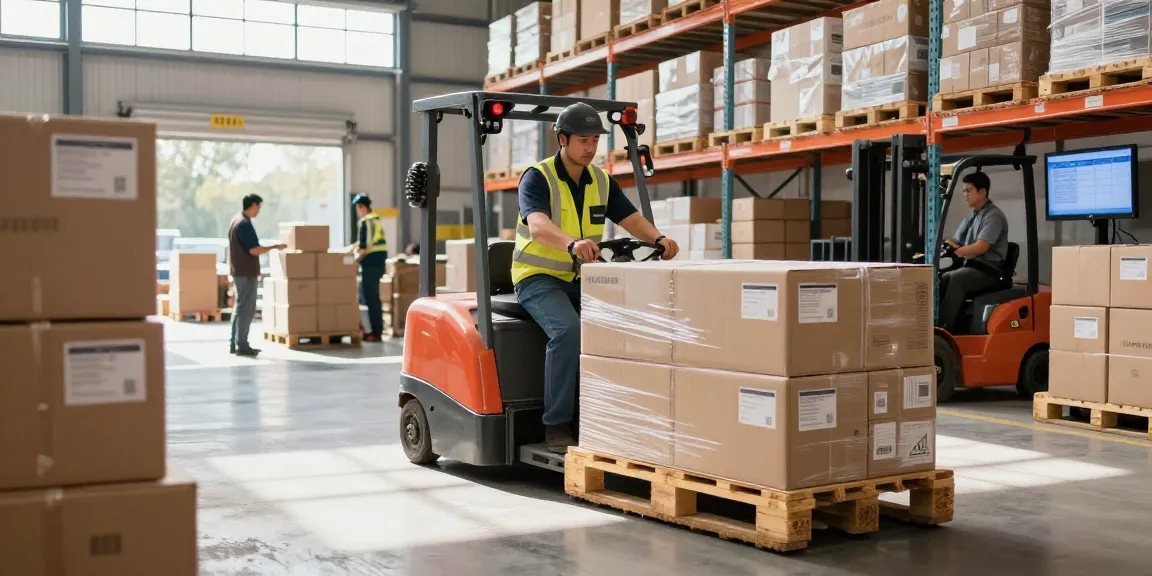
Understanding Pallet Truck Pricing Trends in 2026
As businesses navigate the complexities of supply chain management and warehouse efficiency, understanding the pricing trends of pallet trucks becomes increasingly crucial. With 2026 on the horizon, many organizations are reevaluating their material handling equipment to meet both operational demands and budget constraints. Pricing dynamics are influenced by various factors, and knowing these can empower businesses to make informed purchasing decisions. When exploring options, pallet truck for sale selections can reveal comprehensive insights into current market trends and solutions tailored for diverse operational needs.
Factors Influencing Pallet Truck Costs
Pallet truck prices are subject to numerous factors including demand fluctuations, production costs, and technological advancements. For instance, the increasing shift towards electric models has introduced variations in costs due to the premium on battery technology and design advancements. Each of these factors can lead to significant price variations across different brands and models.
- Material Composition: The materials used in the construction of pallet trucks can greatly affect their durability and cost. Heavier-duty models often cost more due to higher quality components.
- Technology Integration: Advanced features such as onboard scales, automatic lifting systems, and ergonomic handles are becoming more common and can influence pricing.
- Brand Reputation: Manufacturers with a strong market presence may charge a premium for their pallet trucks, whereas newer brands may offer competitive pricing to gain market share.
Comparing Electric vs. Manual Models
Cost comparisons between electric and manual pallet trucks reveal striking differences not only in upfront expenses but also in long-term operational savings. Electric models, while generally more expensive initially, tend to offer lower operating costs due to efficiency and minimal maintenance requirements. Conversely, manual pallet trucks may appeal to businesses with lower budgets but might incur higher labor costs and slower operation rates over time.
This analysis underscores the importance of assessing your operational needs and financial capabilities when investing in pallet trucks. Ultimately, the right choice will depend on balancing upfront costs against potential savings in labor and maintenance.
Impact of Supply Chain Issues on Prices
The ongoing global supply chain challenges have significantly influenced the availability and pricing of pallet trucks. Shortages in raw materials—exacerbated by geopolitical tensions and logistical disruptions—have led to increased manufacturing costs, which are typically passed on to consumers. Furthermore, companies that rely heavily on just-in-time inventory systems may find themselves scrambling to secure equipment as production schedules become unpredictable.
Businesses must stay informed about market conditions and price trends to anticipate changes and plan their purchases accordingly. Aligning procurement strategies with reliable suppliers can also help mitigate risks associated with sudden price hikes.
The Benefits of Investing in a Pallet Truck
Investing in a pallet truck is not just about acquiring equipment; it’s about enhancing operational efficiency and safety in your warehouse. The right pallet truck can significantly streamline your material handling processes, providing tangible benefits that go beyond initial costs.
Enhancing Efficiency in Material Handling
Efficiency is crucial in modern warehouses, where speed and accuracy dictate overall productivity. Pallet trucks facilitate quicker movement of goods, allowing staff to transport heavier loads with minimal effort. This efficiency translates to reduced labor times and increased throughput.
Improved Safety Features and Regulations
With an increasing focus on workplace safety, many pallet trucks are designed with enhanced safety features that comply with industry regulations. Features such as anti-slip surfaces, ergonomic handles, and automatic braking systems help reduce workplace injuries. By prioritizing safety, companies can not only protect their employees but also potentially lower their insurance costs.
Cost Savings Over Time with Electric Models
While the initial investment in electric pallet trucks may be higher, they tend to offer substantial savings over time. These models often require less maintenance due to fewer moving parts and are typically more energy-efficient. As a result, businesses can enjoy lower operating costs in the long term, making electric models a smart choice for forward-thinking companies.
Choosing the Right Pallet Truck for Your Needs
Selecting the ideal pallet truck for your operation requires careful consideration of several key factors. The wrong choice can lead to inefficiencies, increased costs, and even safety hazards.
Capacity Considerations for Different Industries
Understanding the specific needs of your industry is vital when choosing a pallet truck. Different sectors, such as retail, food services, and manufacturing, may have unique load requirements and operating conditions. A thorough assessment of your typical load requirements will help guide the selection process.
- Retail: Often requires lightweight, maneuverable models for quick stock movement.
- Manufacturing: Generally needs heavy-duty trucks capable of handling higher loads and frequently moving products over longer distances.
- Food Services: May require specialized equipment designed for sanitary conditions and food-grade materials.
Key Features to Look For in a Model
When evaluating pallet trucks, certain features can enhance usability and performance:
- Ergonomic Design: Features like adjustable handles and low-effort lifting mechanisms can greatly reduce operator fatigue.
- Durability: Look for trucks made with robust materials that can withstand harsh environments.
- Battery Life: For electric models, check battery capacity and charging times to ensure they meet operational demands.
Assessing Your Warehouse Space and Layout
The dimensions and layout of your warehouse play a critical role in determining the type of pallet truck best suited for your operations. Narrow aisles may require more compact models, while larger spaces might accommodate heavier-duty trucks designed for larger loads.
Consider conducting a floor plan assessment to visualize product flow and identify potential bottlenecks in your operations.
Real-World Examples of Successful Implementation
Learning from successful implementations can provide valuable insights for businesses considering pallet truck investments. Real-world case studies demonstrate how effective equipment selection can transform operations.
Case Study: A Retail Warehouse Transformation
One retail company faced challenges with slow stock movement and increasing labor costs. They implemented electric pallet trucks equipped with advanced features that allowed for easier handling of heavy merchandise. The result? A notable 30% increase in efficiency and a significant reduction in employee fatigue.
Lessons Learned from Heavy Equipment Users
Heavy equipment operators emphasize the importance of selecting pallet trucks that align with their specific tasks. For example, a construction firm found that investing in rugged pallet trucks designed for outdoor use significantly improved their material transport capabilities on site.
Benchmarking Performance Metrics Post-Implementation
Post-implementation, businesses should track performance metrics such as reduced handling times, operational costs, and safety incidents to evaluate the return on investment. Continuous assessment will help organizations refine their material handling strategies over time.
Future Trends in Pallet Truck Technology
The future of pallet truck technology promises innovations that will further enhance operational efficiency and safety in warehouses. Understanding these trends can help businesses prepare for the changes ahead.
Predictions for Automation and AI in Warehousing
As automation technologies continue to evolve, the integration of AI in pallet trucks is becoming more prevalent. Future models may feature intelligent navigation systems that allow them to operate autonomously, further reducing labor costs and maximizing productivity.
The Rise of Eco-Friendly Equipment Solutions
Environmentally conscious businesses are increasingly seeking out eco-friendly equipment solutions. Future pallet trucks are likely to feature sustainable materials and energy-efficient technologies that reduce their environmental impact without sacrificing performance.
Preparing for Industry 4.0: What’s Next?
Industry 4.0 is revolutionizing the way warehouses operate, and pallet trucks will play a crucial role in this transformation. Expect to see increased connectivity with IoT-enabled devices, allowing for real-time tracking and data analytics that enhance operational insights.
What are the different types of pallet trucks available?
Pallet trucks come in various types, including manual, electric, and walkie riders. Each type serves different operational needs, so it’s essential to evaluate which model aligns best with your warehouse requirements.
How can pallet trucks improve warehouse efficiency?
Pallet trucks enhance efficiency by streamlining the movement of goods, reducing operator fatigue, and allowing for quicker handling of materials, which ultimately leads to improved productivity levels.
What should I consider when purchasing a pallet truck?
Consider factors such as load capacity, ergonomic features, and the specific needs of your warehouse layout to ensure you select the right pallet truck for your operation.
Are there financing options for buying pallet trucks?
Many suppliers offer financing options to help businesses manage the investment in pallet trucks. Look for financing plans that suit your company’s budget and purchasing strategy.
How do maintenance costs affect total ownership of pallet trucks?
Regular maintenance is essential for ensuring the longevity and efficiency of pallet trucks. Understanding potential maintenance costs can help businesses estimate the total cost of ownership over the truck’s lifespan.