Understanding Pool Chlorination Systems
For many pool owners in Australia, maintaining crystal-clear water is a top priority. One of the most effective ways to achieve this is through the use of chlorination systems. These systems automate the process of sanitizing pool water, rendering it safe and enjoyable for swimming. Among the various options available, understanding what a chlorinator is and how it functions is crucial for making an informed decision when purchasing the best chlorinator for inground pools.
What is a Chlorinator and How Does it Work?
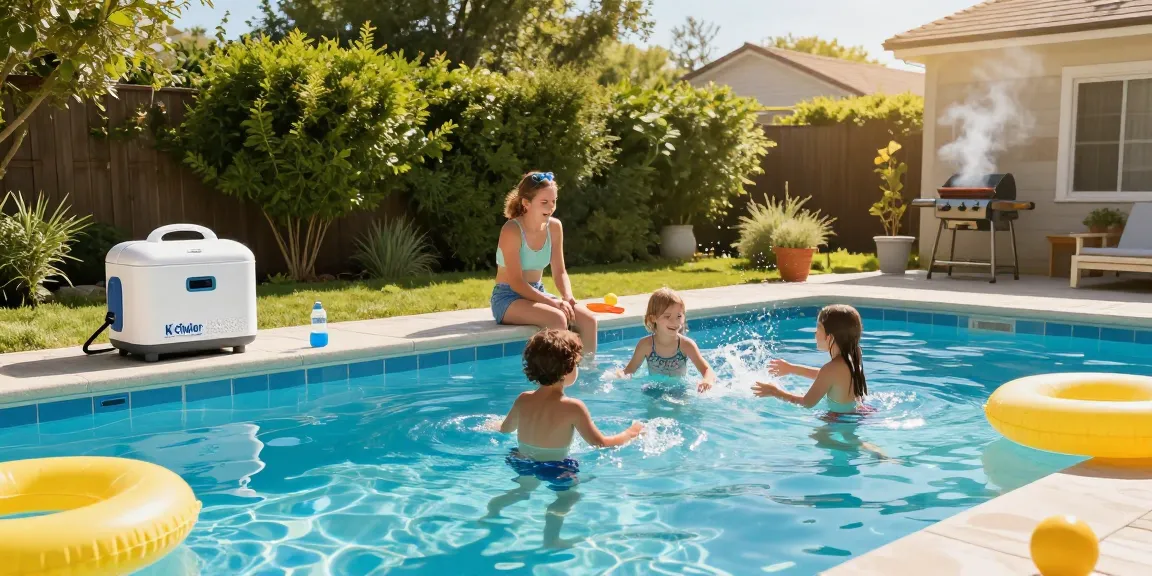
A chlorinator is a device that automatically generates chlorine from saltwater in a swimming pool. As the pool water circulates through the chlorinator, it passes through a cell that uses electrolysis to convert dissolved salt into chlorine. This process not only simplifies pool maintenance by eliminating the need to add chlorine manually but also ensures a consistent level of sanitization over time.
Benefits of Salt Water Chlorination for Inground Pools
Salt water chlorination systems offer several advantages over traditional chlorine methods:
- Lower Chemical Usage: By generating chlorine from salt, pool owners can significantly reduce the amount of harsh chemicals required.
- Reduced Skin Irritation: Many swimmers report that salt water is gentler on the skin and eyes compared to chlorinated water.
- Cost-Effectiveness: Although initial investment may be higher, the long-term savings on chemicals can be substantial.
- Consistent Chlorine Levels: Automated systems help maintain stable chlorine levels, improving water quality.
Different Types of Chlorinators Available
There are generally two types of chlorinators: saltwater chlorinators and tablet chlorinators. Saltwater systems are the most popular among pool owners due to their convenience and efficiency, while tablet systems require manual adjustments and refills.
Features of the Best Chlorinator for Inground Pools
When searching for the ideal chlorinator for your inground pool, consider the following features that can enhance efficiency and user-friendliness:
Key Specifications to Look For
- Output Capacity: Ensure the chlorinator matches your pool’s size. Proper chlorinator output is essential for effective sanitization.
- Self-Cleaning Function: Systems with self-cleaning capabilities can significantly reduce maintenance time.
- Durability: Look for models made from high-quality materials that can withstand Australian weather conditions.
- Easy Installation: Choose chlorinators that come with straightforward installation guidelines.
Top Brands and Models in 2026
As of 2026, the market boasts several top-performing brands for pool chlorinators. Among these, the K-Chlor Digital Gold Series is highly recommended for its reliability and efficiency. Models such as the KCHLOR KGS15, KGS20, and KGS100 have received positive feedback from users due to their advanced features and longevity.
Comparing K-Chlor Digital Gold Series Models
The K-Chlor Digital Gold Series offers a range of models catering to various pool sizes:
- KCHLOR KGS15: Ideal for small to medium-sized pools.
- KCHLOR KGS20: Suitable for medium-sized pools with moderate usage.
- KCHLOR KGS100: Perfect for large pools with heavy usage, ensuring optimal sanitation even in the busiest seasons.
Installation and Maintenance Tips
Proper installation and maintenance are vital for ensuring that your chlorinator operates effectively over its lifespan. Here are some best practices to consider:
Step-by-Step Installation Guide
- Choose a suitable location near your pool’s filtration system for optimal performance.
- Turn off the pool pump and drain a small section of the pool.
- Install the chlorinator cell inline, ensuring that it is securely connected to the plumbing.
- Reconnect the pool pump and check for any leaks.
- Set the programming according to your pool’s needs.
Regular Maintenance to Extend Chlorinator Life
To keep your chlorinator in peak condition:
- Check and clean the cell regularly to prevent calcium buildup.
- Monitor the salt levels, ensuring they stay within the recommended range.
- Inspect electrical connections for corrosion or damage.
How to Identify When to Replace Chlorinator Cells
Chlorinator cells have a typical lifespan of 3-7 years, depending on usage and maintenance. Signs that indicate a need for replacement include:
- Reduced chlorine output.
- Visible damage to the cell, such as cracks or corrosion.
- Frequent error messages from the chlorinator’s control panel.
Maximizing Efficiency and Cost Savings
To ensure your chlorinator operates efficiently and economically, follow these guidelines:
Understanding Chlorinator Output and Pool Size
Choosing a chlorinator with the appropriate output capacity for your pool size is crucial. Over or under-sizing can lead to ineffective sanitation and higher operational costs.
How to Optimize Chlorine Production Rates
Adjust the production rate according to the pool’s usage and seasonal changes. Higher rates may be required during peak swimming seasons.
Reducer Programs for Patient Pool Management
Many modern chlorinators come with programmable settings that allow you to customize chlorine production. Use these settings to optimize your system’s efficiency based on the pool’s needs.
Future Trends in Pool Chlorination Systems
The pool chlorination industry continues to evolve, with innovative technologies enhancing user experience and environmental sustainability. Here’s a look at what to expect in the coming years:
Innovative Technologies in Pool Care
New developments such as smart chlorinators that use IoT technology for remote management and monitoring are becoming prevalent. These systems allow users to maintain optimal water quality without the need for constant manual checks.
Environmental Impact and Sustainability Considerations
With growing environmental concerns, manufacturers are focusing on creating more energy-efficient chlorination systems that minimize chemical usage and waste.
Predictions for the Market in 2026 and Beyond
The market is expected to see an increase in demand for automated and efficient chlorination solutions, particularly among environmentally conscious consumers who seek both efficacy and low ecological impact.
What Are the Benefits of Automatic Chlorination?
Automatic chlorination offers convenience, consistent water quality, and reduced hands-on maintenance, making it an attractive option for many pool owners.
Can You Use a Salt Chlorinator for Magnesium Pools?
Yes, many salt chlorinators can effectively work with magnesium minerals, which can further enhance the gentleness of pool water on swimmers’ skin.
What Features Should You Look for in a Chlorinator?
Key features to prioritize include ease of use, self-cleaning capabilities, durability, and availability of replacement parts to ensure longevity and efficiency.