
Understanding Colonial Home Renovation
Defining Colonial Home Architecture
Colonial homes are a rich tapestry of American architectural history, characterized by their symmetry, square or rectangular shape, and central front doors flanked by evenly spaced windows. Common features include gabled roofs, brick or wood siding, and elegant chimneys. The architectural styles vary significantly across regions, with Colonial homes in New England reflecting a more austere aesthetic compared to the decorative elements found in Southern Colonial designs. Understanding these elements lays the groundwork for successful colonial home renovation.
Popular Renovation Styles and Techniques
When it comes to renovating a Colonial home, several styles and techniques can enhance both its beauty and functionality. Homeowners often opt to retain the exterior’s classical form while modernizing the interior for convenience and comfort. Techniques such as opening up floor plans, installing modern kitchens, and integrating smart home technology are becoming increasingly popular. Additionally, careful restoration of original moldings and woodwork can help retain the historical significance while elevating aesthetic appeal.
Benefits of Renovating Colonial Homes
Renovating Colonial homes presents numerous benefits, from enhancing property value to improving energy efficiency. The unique style of Colonial architecture appeals to many buyers, making renovated homes attractive on the real estate market. Moreover, newer materials and technologies can significantly reduce energy bills and maintain temperature, leading to a more sustainable living environment. Strategically performed renovations not only preserve the historical essence but also provide a more comfortable and modern living space.
Planning Your Colonial Home Renovation
Assessing the Condition of Your Home
The first step in planning any renovation is a thorough assessment of the home’s current condition. This includes examining the structural integrity of the foundation, roof, and walls, as well as checking for water damage or pest issues. Special attention should be directed toward historical aspects that may require preservation, such as original wood beams or period-specific clapboards. A detailed inspection helps prioritize renovations for safety and effectiveness.
Setting a Renovation Budget
A well-defined budget is crucial for a successful renovation project. Start by establishing a realistic figure based on detailed estimates of the costs involved in materials, labor, and unexpected expenses. It is advisable to allocate an additional 10-20% of the budget for unforeseen issues that may arise during the renovation process. This financial cushion ensures that homeowners can complete the project without compromise should unexpected repairs or updates be necessary.
Choosing the Right Professionals
Selecting the right professionals is essential to executing a successful Colonial home renovation. Look for architects or contractors who have specific experience with Colonial structures. They should understand how to work within the historical guidelines and local zoning laws. It’s beneficial to ask for references and review previous work to ensure quality and a good fit for your renovation vision.
Key Features to Focus On in Colonial Home Renovation
Architectural Elements and Details
While modernizing a Colonial home, it’s vital to maintain architectural elements that define its character. Features such as crown moldings, wainscoting, and period-appropriate fireplaces should be preserved or replicated where necessary. These details not only reflect the beauty of the time but also create a cohesive look that honors the home’s heritage. Consider hiring a craftsman skilled in historical restoration to achieve the best results.
Modernizing Kitchen and Bathrooms
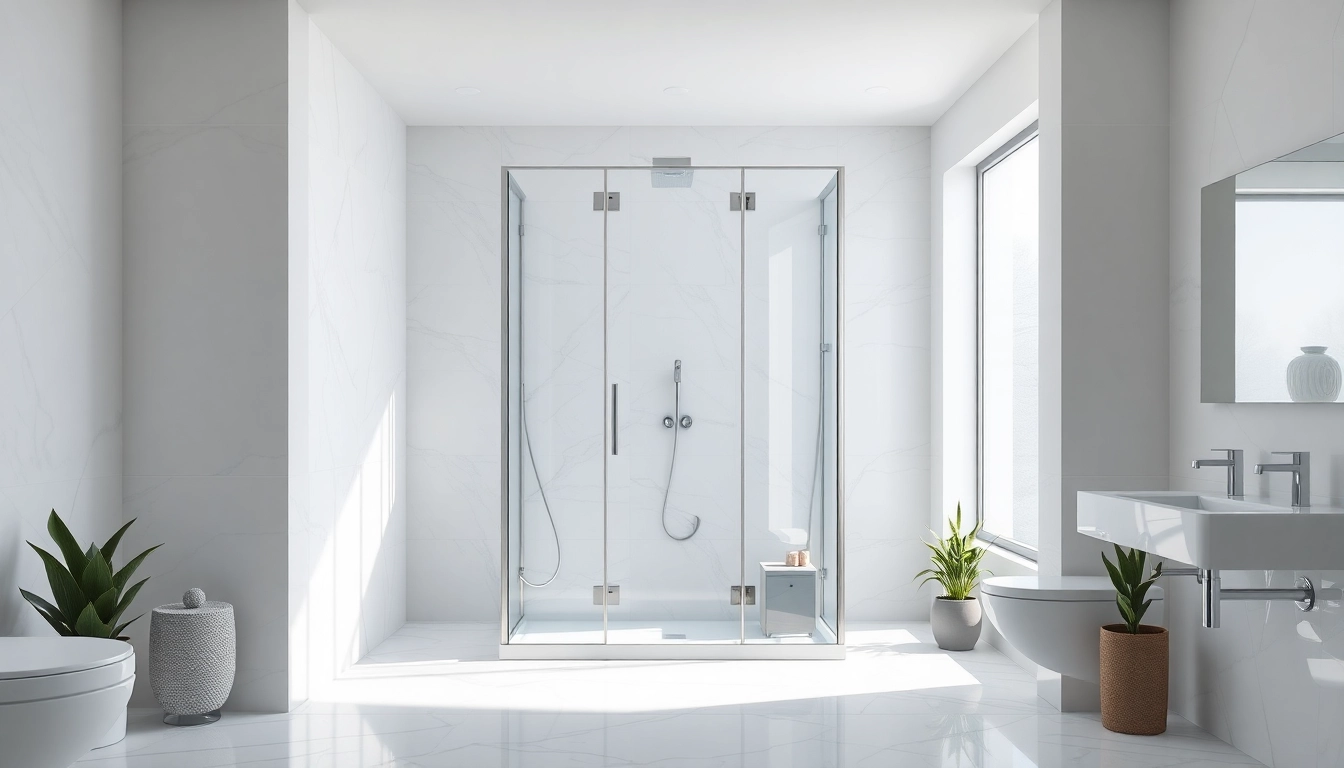
The kitchen and bathrooms often become the focal points for renovation in any home. For Colonial homes, striking a balance between historical aesthetics and modern functionality is key. Updating fixtures, countertops, and appliances can make these spaces more accessible and comfortable while keeping design elements like cabinetry in line with Colonial style. Use high-quality materials that reflect the traditional charm, ensuring that any modern upgrade does not detract from the overall historical integrity.
Restoring Historical Integrity
Restoration is about more than just aesthetics; it involves preserving the home’s character. This includes the careful selection of paint colors that reflect the period, maintaining original window styles, and ensuring that external details such as shutters and front doors meet historical specifications. By researching original drawings or consulting with historical societies, homeowners can gain insights into authentic restoration techniques that will enhance the home’s historical value.
Practical Tips for Successful Colonial Home Renovation
Using Authentic Materials
Employing authentic materials during the renovation process greatly contributes to preserving the Colonial aesthetic. Choose materials such as natural wood for frames, brick for facades, and slate for roofs. Where possible, source materials that match the original age and style of the house to help maintain authenticity. Additionally, consider integrating reclaimed materials to not only uphold tradition but also promote sustainability.
Incorporating Energy Efficiency
Energy efficiency is often overlooked in historical renovations; however, there are numerous ways to modernize while honoring the past. Upgrading insulation, installing energy-efficient windows, and using smart home systems can enhance comfort without sacrificing historical details. It’s essential to choose technologies that are unobtrusive and respectful of the home’s appearance while making meaningful contributions to energy conservation.
Staying True to Colonial Style
Remaining true to Colonial style means considering not only architectural features but also landscaping and interior design. Choose furnishings and decor that align with the Colonial aesthetic, such as antique furniture, period-inspired wallpaper, and traditional colors that evoke a historical feel. This ensures that the home feels cohesive and honors the original design intent while still facilitating modern living.
Post-Renovation: Caring for Your Colonial Home
Maintenance Tips for Longevity
Maintaining a Colonial home after renovation is as important as the renovation itself. Regular inspections of the roof, gutters, and foundation can prevent water damage and decay. It is also crucial to periodically check the condition of exterior paints to avoid lead issues commonly found in older paint. Maintain landscaping to protect the home’s foundation and consider establishing a routine maintenance schedule with professionals well-versed in historical homes for optimal care.
Landscaping Ideas for Colonial Homes
Landscaping plays a vital role in enhancing the curb appeal of Colonial homes. A symmetrical layout with flower beds, hedges, and traditional pathways enhances the home’s historical charm. Consider incorporating native plants that complement the architectural style and create a cohesive environment. Proper landscaping not only beautifies the home but can also improve drainage and reduce maintenance efforts.
Enjoying Your Newly Renovated Space
Once the renovation is complete, it’s time to enjoy the fruits of your labor. Celebrate the successful transformation and invite friends and family to appreciate the historical charm blended with modern comforts. Organizing gatherings can also help foster a love for your home’s historical significance, encouraging others to appreciate and ensure the preservation of Colonial architecture in the community.
FAQs on Colonial Home Renovation
What are the common challenges in renovating a Colonial home?
Common challenges include adhering to historical preservation guidelines, managing structural repairs, and sourcing authentic materials. Each project requires careful planning and expert guidance to navigate these issues effectively.
How can I maintain the historical integrity of my Colonial home?
Focus on using authentic materials, restoring original architectural features, and consulting historical designs. Proper research and professional help can ensure you maintain the integrity of your Colonial home during renovations.
Is it worth it to renovate a Colonial home?
Yes, renovating a Colonial home can significantly enhance its value, improve energy efficiency, and provide modern comforts while preserving its unique character. It offers a blend of history and contemporary living that many homeowners seek.
What features should I prioritize in a Colonial home renovation?
Prioritize architectural details, kitchen and bathroom updates, and energy-efficient upgrades. Maintaining historical aesthetics while modernizing is critical to preserving the home’s charm and utility.
How can I find professionals experienced in Colonial home renovations?
Search for contractors and architects who specialize in historical homes. Check reviews, ask for references, and explore their portfolios to ensure they have the necessary expertise and experience.